Maison Inversée Terrain En Pente

Okay, imagine this. You’re trekking up a ridiculously steep hill, right? Sweating buckets, questioning all your life choices, when BAM! You see it. A house that looks like it’s doing a headstand. Seriously, the "ground floor" is practically in the clouds. I almost choked on my water bottle. It was… different. And it got me thinking: what’s the deal with these upside-down houses, especially on hills?
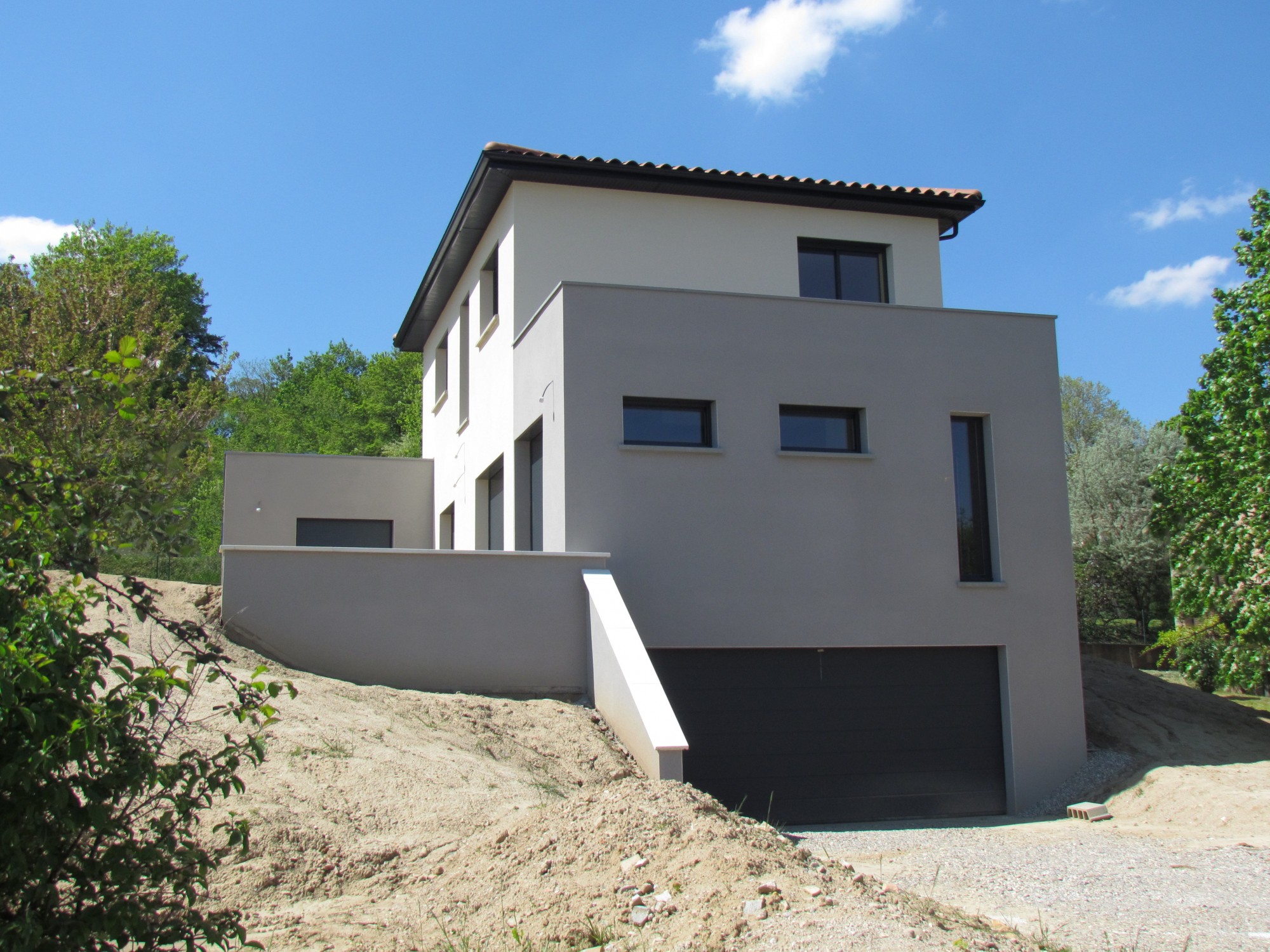
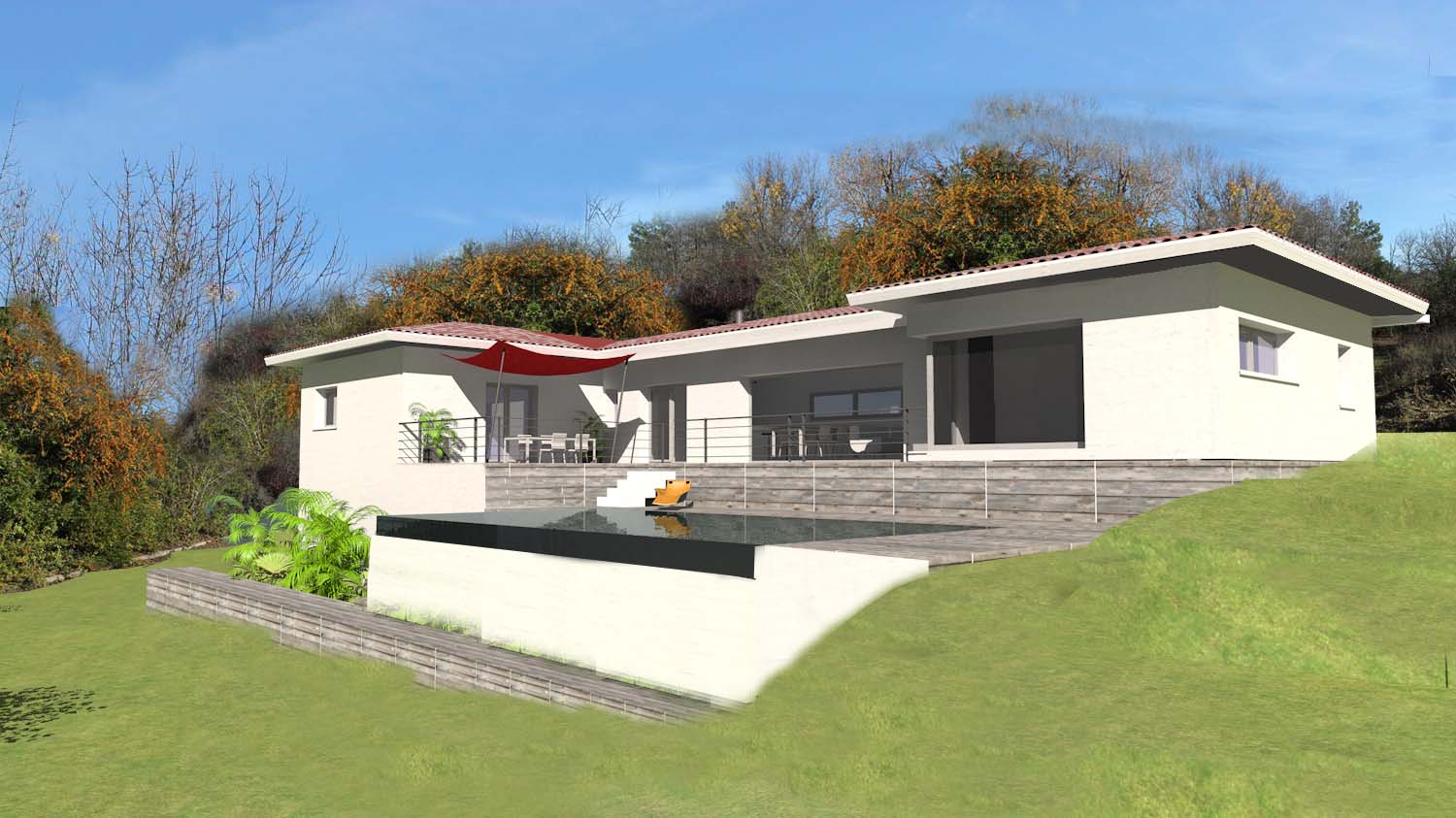
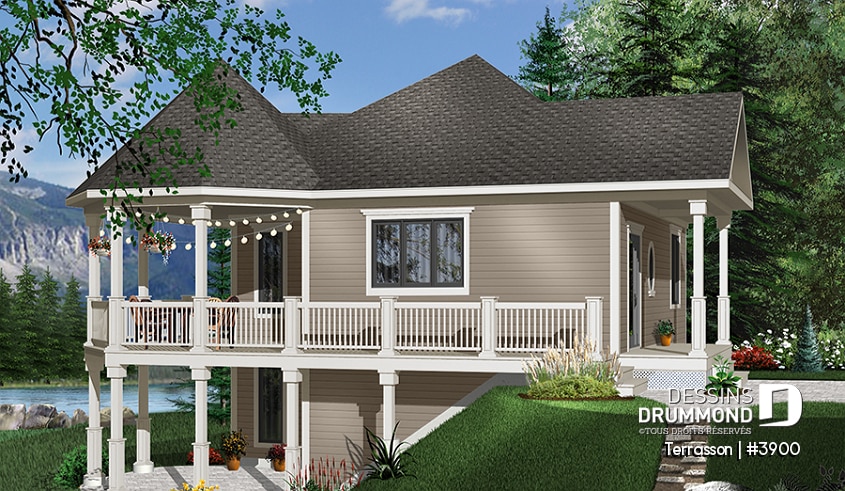
Well, turns out, they're not actually built upside down (phew!). They're called "Maison Inversée Terrain En Pente," or "inverted houses on sloping land." Basically, the conventional floor plan is flipped so the living spaces are located on the upper level(s) of the house to take advantage of the view, light and natural ventilation offered by the sloped ground, while the parking area and other utility areas can be found on the lower levels.
Think about it. On a normal hill house, who gets the killer view? The top floor, obviously. But what if you want that view from your living room, not just your bedroom? Enter the inverted house, stage left! It's like a real estate hack.
Must Read
Why Would You Do This?
Good question! Apart from the obvious "because it looks cool" factor (admit it, it does), there are some pretty legit reasons why architects and homeowners opt for this design.
First, the view. We've hammered that one home already, but seriously, imagine waking up to panoramic views from your couch. Worth it, right?
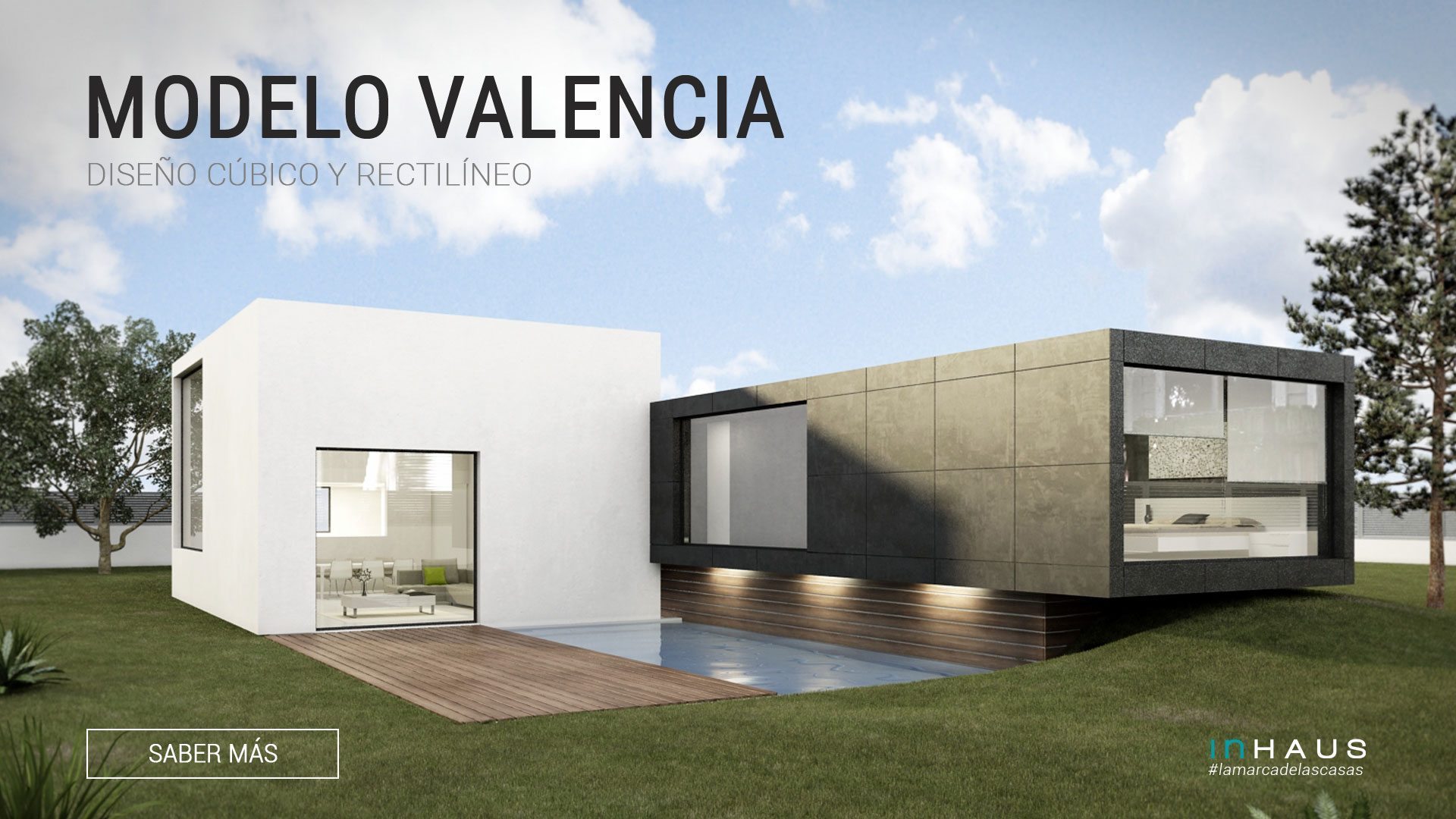
Second, light. Higher up, you get more sunlight. This is a big deal, especially in countries where sunlight is a precious commodity (I'm looking at you, Northern Europe!). More light means less need for artificial lighting, which means lower electricity bills. Cha-ching!
Third, natural ventilation. Hot air rises, right? So, with living spaces on the upper levels, you're more likely to catch a breeze. This can drastically reduce the need for air conditioning, especially if coupled with the right orientation and window placement. Eco-friendly and budget-friendly – double win!
Fourth, and this is a big one, terrain challenges. Building on a slope isn't easy. An inverted design can actually simplify the construction process by using the natural incline to its advantage. Plus, it can minimize excavation, which is good for the environment (and your wallet!). Think less blasting and digging, more harmonious integration with the landscape.
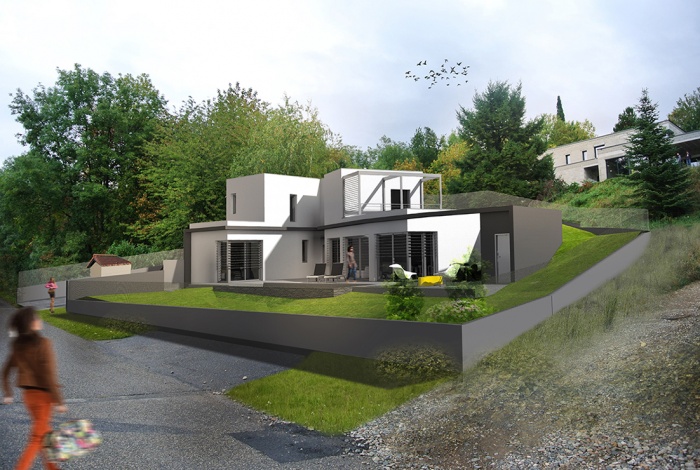
Challenges, Of Course.
Nothing's perfect, and maison inversée terrain en pente definitely comes with its own set of challenges.
Access can be tricky. Getting groceries to the "top" floor when the entrance is on the "bottom" requires some planning (or a really good elevator!).

Cost can also be a factor. Depending on the complexity of the design and the specific site conditions, building an inverted house can be more expensive than a traditional one. But hey, that view comes at a price!
Resale value might also be a consideration. Not everyone "gets" the inverted house concept. You might be limiting your pool of potential buyers down the line. But then again, maybe the right buyer will fall in love with the unique design! It’s always a gamble, isn’t it?
So, Is It For You?
Ultimately, whether or not an inverted house on a sloping terrain is right for you depends on your individual needs, preferences, and budget. But if you're looking for a unique, sustainable, and view-tastic living space, it's definitely worth considering. Just make sure you do your homework and find an architect who knows their stuff. And maybe invest in a good grocery-carrying system. Your back will thank you!