Page De Garde Dossier Histoire Des Arts Bac

Okay, picture this: Me, stressed out of my mind, the night before my oral Histoire des Arts exam. (Yes, the one that felt like it would decide my entire future...Dramatic, I know.) I was staring blankly at a half-eaten pizza and a mountain of printouts, and suddenly realized… my "page de garde" looked like a toddler had designed it after finger-painting with ketchup. Tragedy! It was SO bad. Lesson learned: Don't underestimate the power of a good first impression, especially when you're trying to impress your jury.
So, let’s talk about the infamous page de garde for your Histoire des Arts "dossier" for the Bac. It's essentially the cover page, the introduction to your amazing research and passionate art analysis. Think of it as your elevator pitch... but on paper.
Why Even Bother with a Fancy Cover Page?
Honestly? Because it matters. Jurors are human. They're going to be flipping through tons of dossiers. A well-designed page de garde does two things:
Must Read
- Shows you're organized and take your work seriously. (Even if, let's be real, you threw it together at the last minute.)
- Gives them a quick overview of your topic. Makes their job easier, makes you look good. Win-win!
Think of it like this: you wouldn't show up to a job interview wearing pajamas (I hope!). Your page de garde is your professional attire for your dossier. It announces your presence and sets the tone.
What to Include on Your Page de Garde
Now, the nitty-gritty. Here’s what you absolutely need to include:

- Your Name: Obviously. Make it legible!
- Class & School: No need to be cryptic.
- The Title of Your Dossier: This should be clear, concise, and captivating (if possible!). Avoid overly vague titles like "Art Through the Ages." Be specific!
- The "Problématique": This is the central question your dossier explores. State it clearly and prominently. This is the most important part! (Seriously, if they only read ONE thing on the page, this is it).
- The Artwork(s) You’re Analyzing: List the title(s), artist(s), and date(s) of the key works you're discussing.
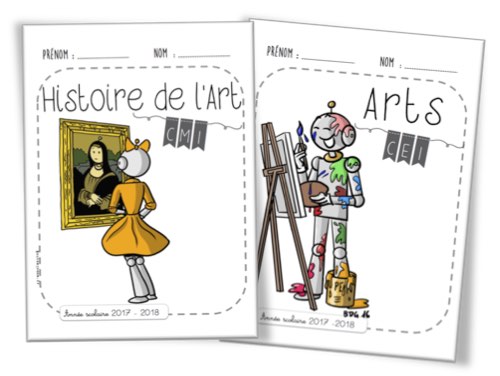
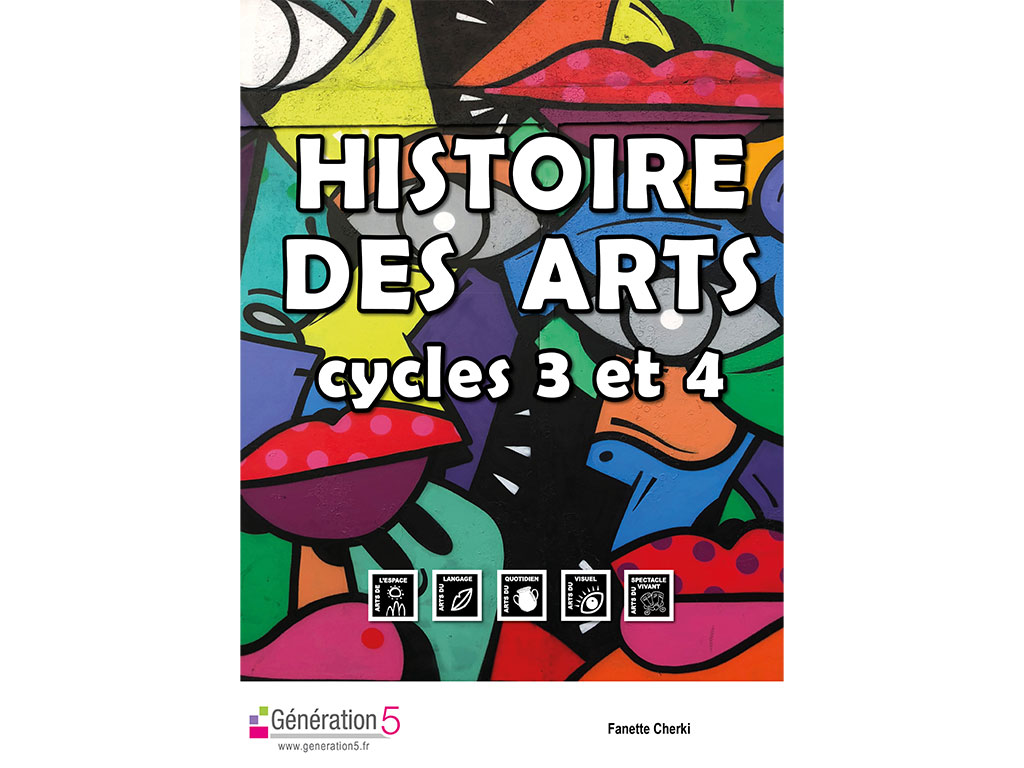
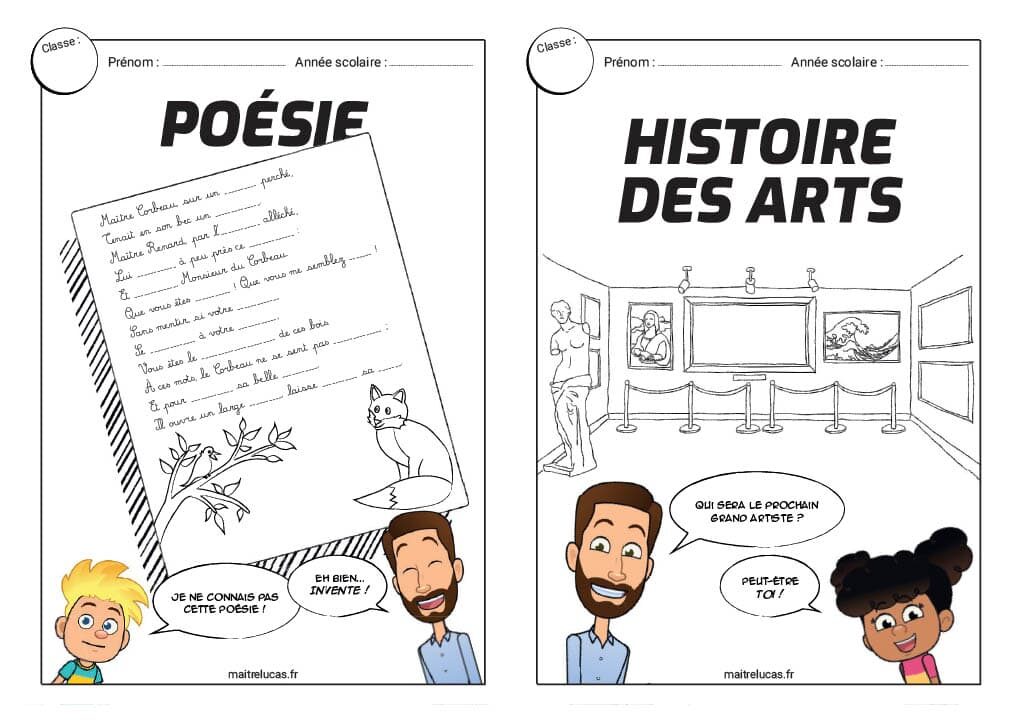
- An Image (Optional, But Recommended): Choose an image related to your dossier. It adds visual appeal and reinforces your topic. Just make sure it's high quality and relevant! (No blurry iPhone photos, please!)
Side Note: Check with your teacher for any specific requirements. Some schools have their own templates or guidelines. Don't be that person who didn't read the instructions!
Design Tips (Because Aesthetics Matter!)
You don’t need to be a graphic designer to create a decent page de garde. Here are a few simple tips:

- Keep it clean and uncluttered. White space is your friend!
- Choose a legible font. Avoid anything too fancy or script-like. (Times New Roman is your reliable pal here.)
- Use a consistent color palette. A subtle accent color can add visual interest.
- Proofread! Spelling errors are a big no-no.
Consider using free online tools like Canva to create a professional-looking design. They have tons of templates to get you started. Seriously, it's easier than you think. (I even managed to use it, and I'm not exactly a tech wizard.)
Final Thoughts
Your page de garde is your chance to make a strong first impression. It shows you're prepared, organized, and passionate about your topic. So, take the time to create a page that reflects the quality of your work. And hey, maybe you'll avoid the last-minute ketchup-covered panic I experienced. Good luck with your exam!
P.S. Remember, the most important thing is the content of your dossier. A beautiful page de garde won't save you if your research is lacking. But it definitely won't hurt!