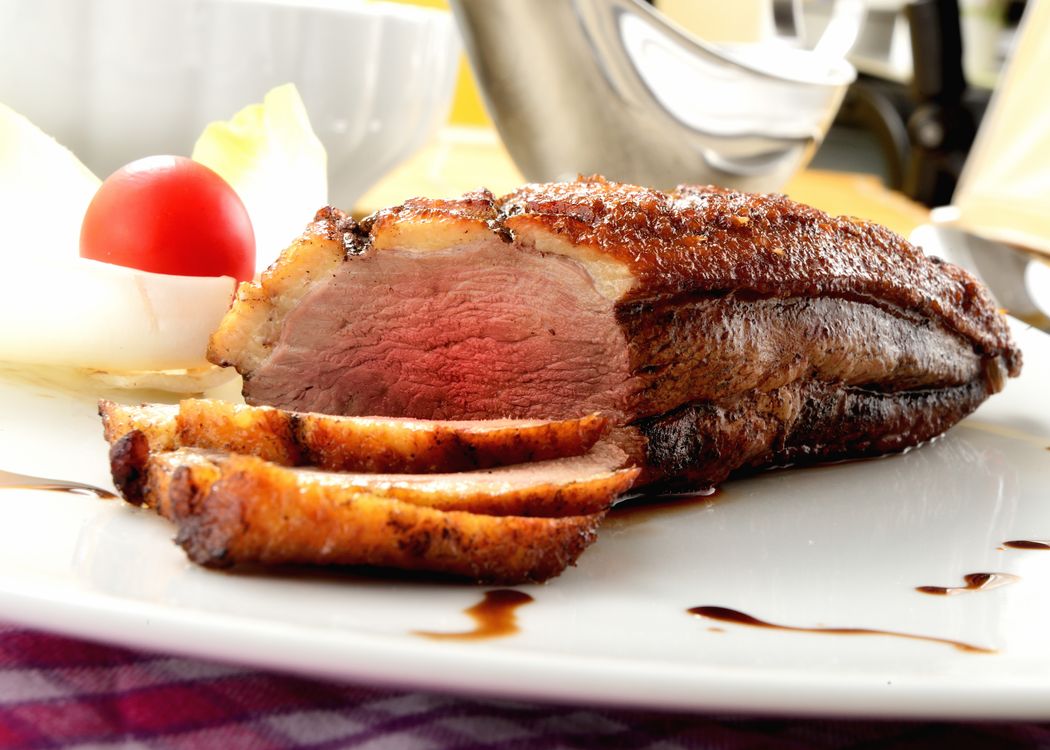
Tranche De Magret De Canard à La Plancha

Okay, picture this: it's a scorching summer evening, the kind where even your fridge feels like a sauna. I’m staring blankly into the abyss that is my pantry, wondering what on earth to conjure up for dinner. Pizza again? Nah, been there, ate that. Suddenly, a glimmer of inspiration! Or maybe it was just the reflection from the bottle of rosé... Anyway, I remembered the magret de canard I’d impulse-bought at the farmer’s market last week. Duck! Why not?! But the thought of a complicated recipe? Absolutely not! That's when my love affair with the plancha and tranche de magret de canard began.
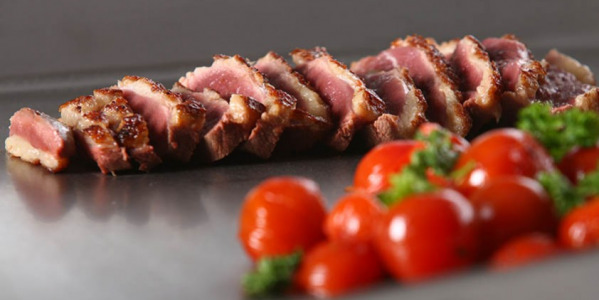
Seriously, you guys, the plancha is a game-changer. It's basically a super-hot, flat griddle that cooks everything evenly and quickly. And when it comes to duck breast, it's pure magic. Think crispy skin, perfectly rendered fat, and a succulent, slightly pink interior. Are you drooling yet? I am, just writing about it.
What is Tranche De Magret De Canard, anyway?
Let’s break it down. Magret de canard, my friends, is duck breast. Not just any duck breast, though. We're talking about the breast of a duck that's been specially raised for foie gras production. Hence the gloriously thick layer of fat underneath the skin. Don't be scared of the fat! Embrace it! It's where all the flavour lives. The "tranche" part just means "slice." So, tranche de magret de canard is basically a slice of duck breast. Sounds fancier in French, right?
Must Read
Now, why the plancha? Well, because it's ridiculously easy. You literally score the skin (more on that in a sec), throw it on the hot plancha, and let the magic happen. No fuss, no complicated sauces (unless you want them, of course!), just pure ducky goodness. It's perfect for a quick weeknight meal or a fancy-ish dinner party where you want to impress without actually breaking a sweat. Très chic!
The Plancha Method: Keep It Simple, Stupid (KISS)!
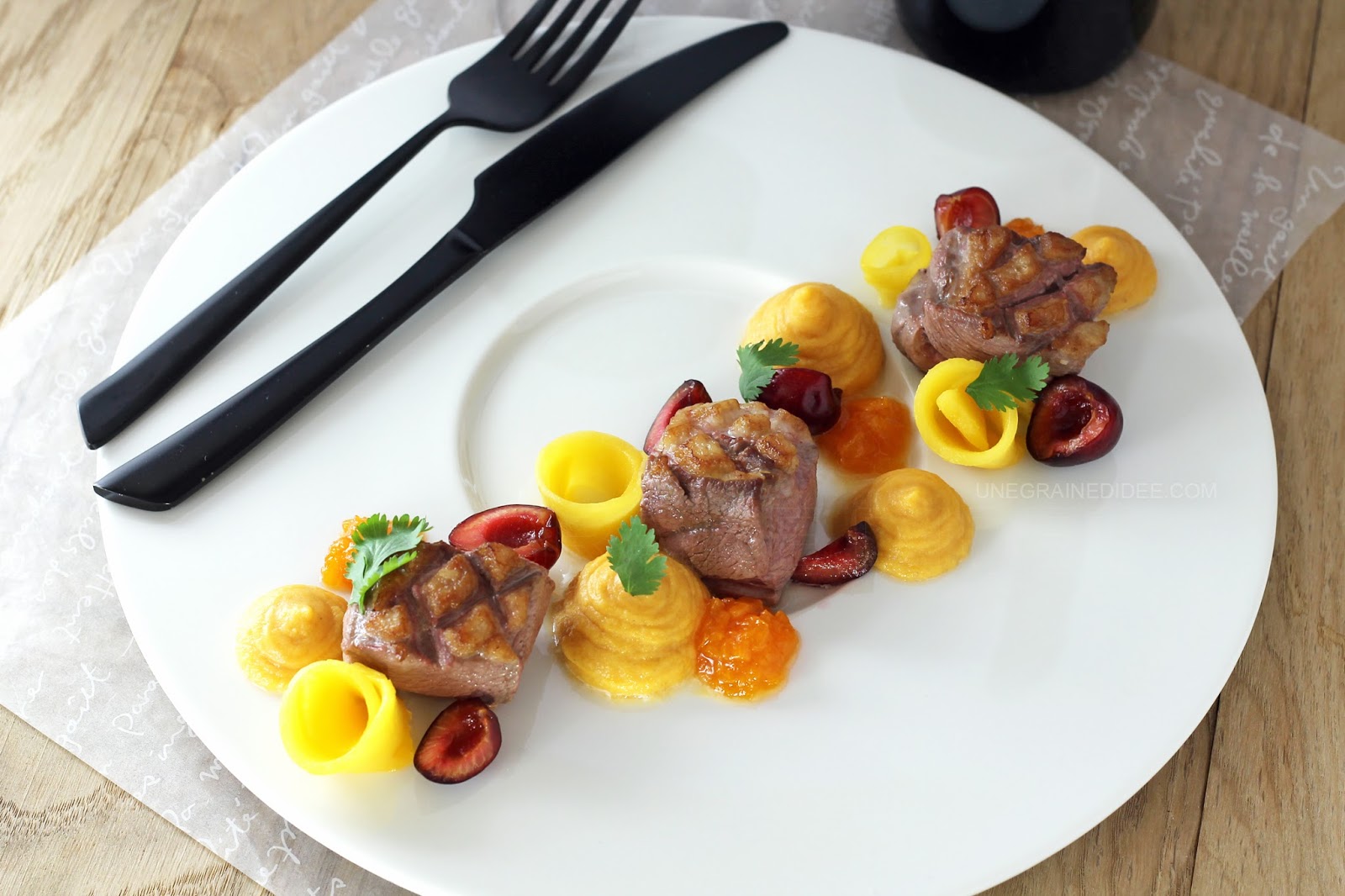
First things first: score the skin in a crosshatch pattern. This helps the fat render properly and prevents the skin from curling up like a disgruntled snail. Don't cut too deep – you just want to get through the skin, not the meat. Next, season generously with salt and pepper. Seriously, don't skimp on the salt. It’s crucial for crispy skin.
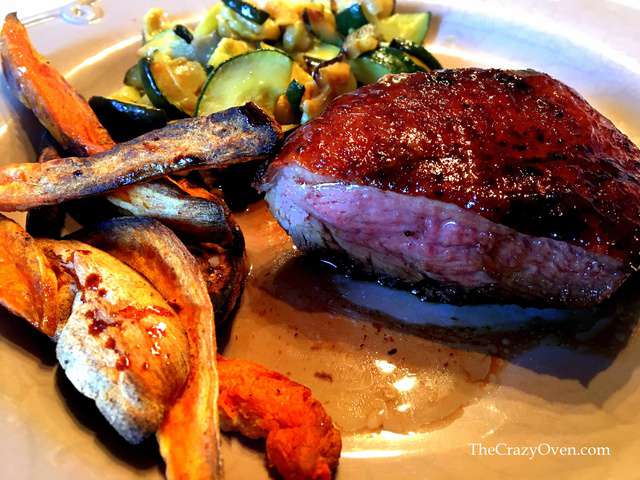
Then, crank up your plancha to medium-high heat. Place the duck breast skin-side down on the hot surface. Now, here’s the crucial part: resist the urge to move it! Let it cook undisturbed for about 8-10 minutes, or until the skin is beautifully golden brown and crispy. You’ll see the fat rendering out – that's a good thing! Don't panic! Use a spatula to occasionally press down on the breast to ensure even contact with the plancha.
Flip the duck and cook for another 3-5 minutes, depending on your desired level of doneness. I like mine medium-rare, so it's still slightly pink in the center. Use a meat thermometer if you're unsure – 130-135°F (54-57°C) is ideal for medium-rare. Et voilà!
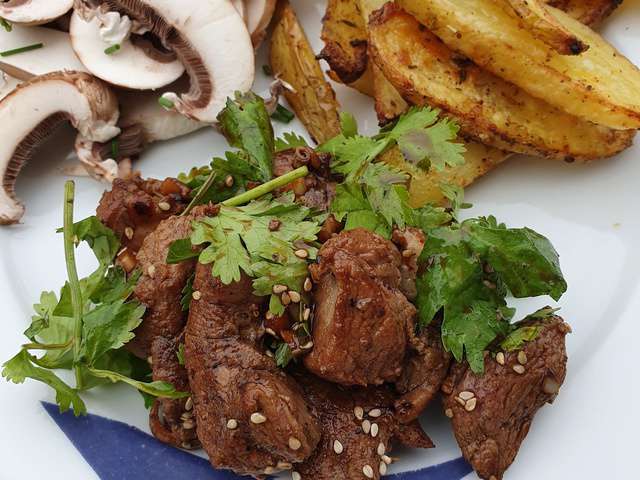
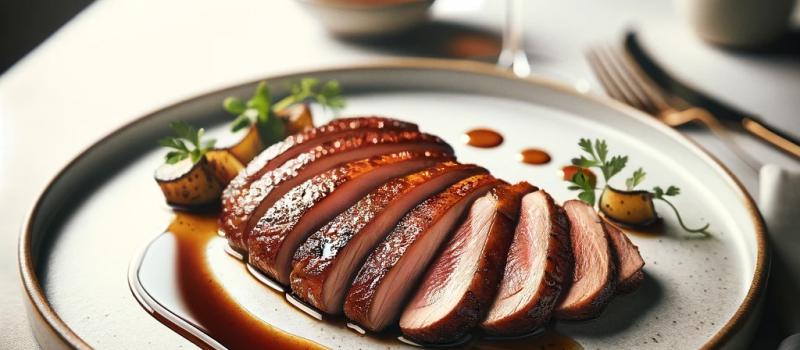
Let the duck rest for a few minutes before slicing against the grain. This helps the juices redistribute and keeps the meat nice and tender. Serve with a simple salad, some roasted vegetables, or even just a slice of crusty bread to soak up all that delicious rendered fat. You can drizzle the rendered fat from the plancha over the salad too – trust me, you won't regret it!
Side note: don’t throw away the duck fat! It's liquid gold! Use it to roast potatoes, sauté vegetables, or even make confit. It’s the gift that keeps on giving. Think crispy roast potatoes fried in duck fat. Heaven. Pure, unadulterated heaven. You’re welcome.
So, there you have it: tranche de magret de canard à la plancha. A simple, elegant, and utterly delicious dish that’s perfect for any occasion. Now go forth and plancha! And don't forget to invite me over when you do.