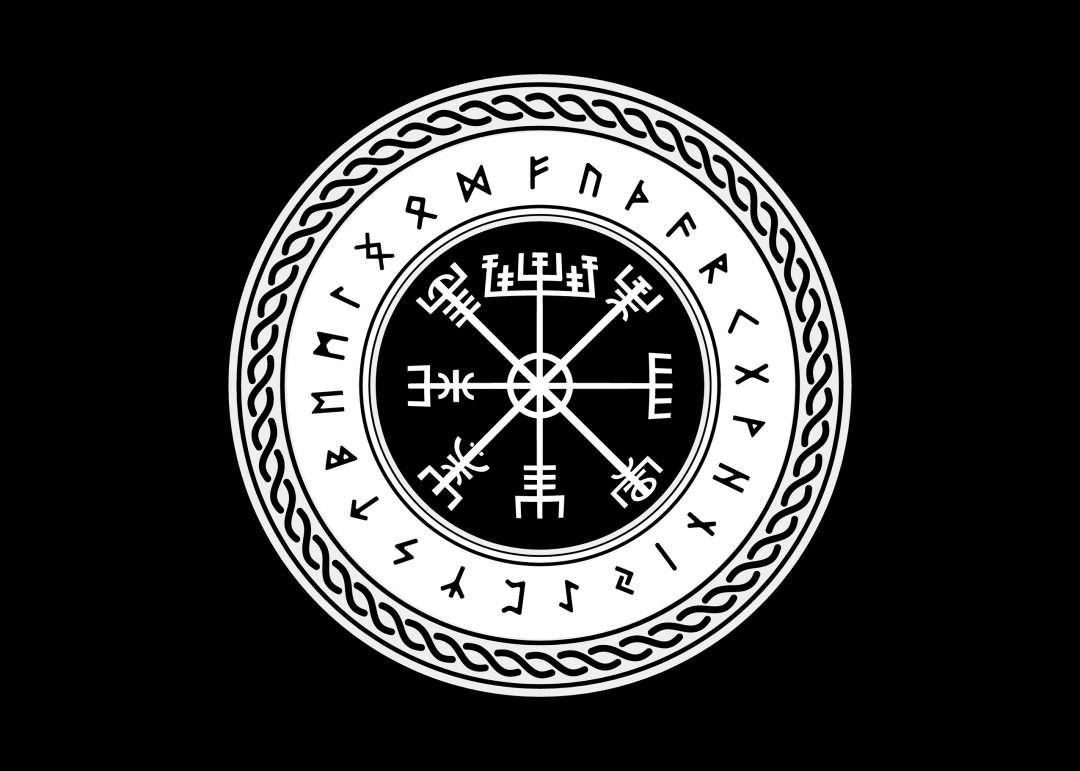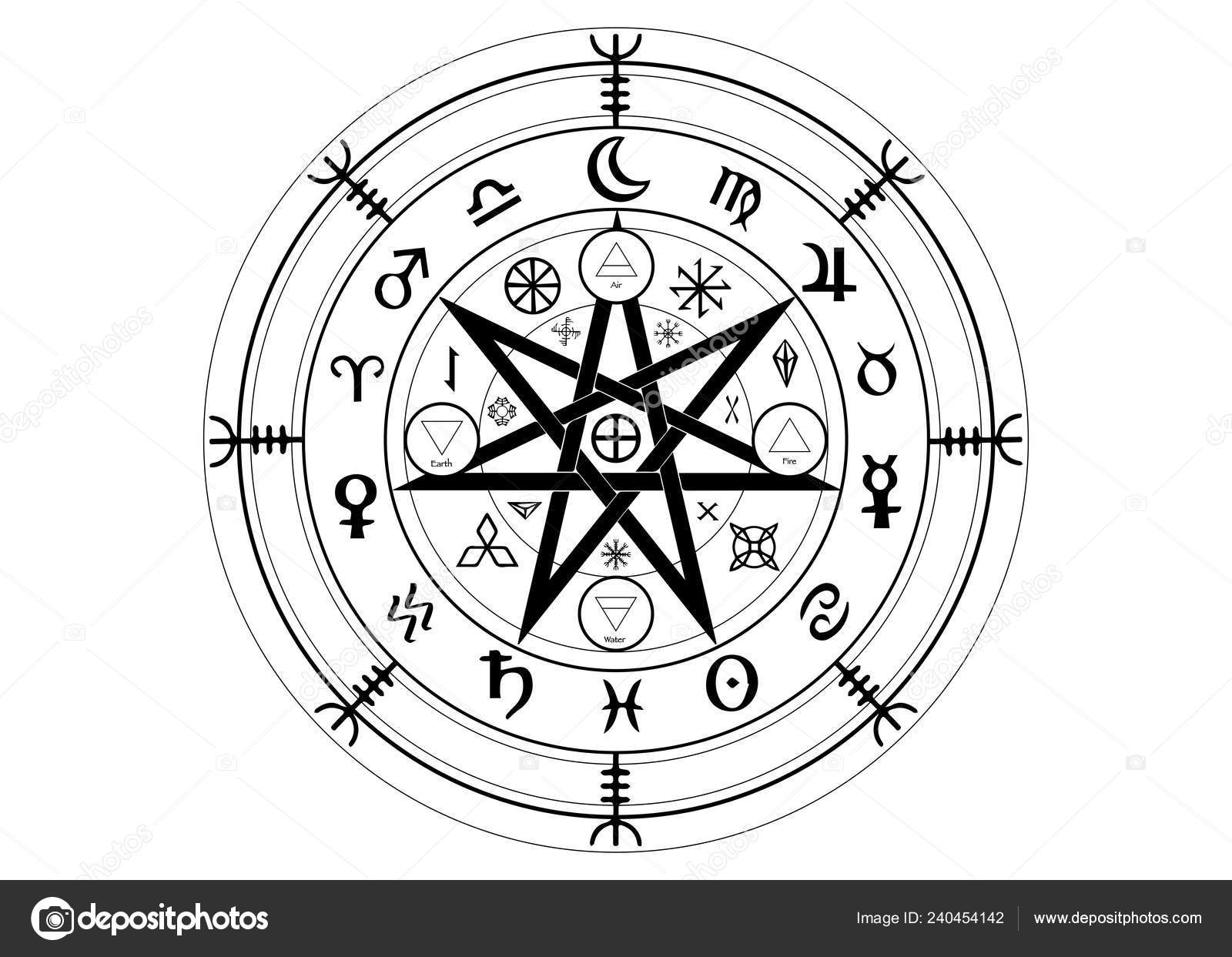
Symbole De Protection Contre Le Mal
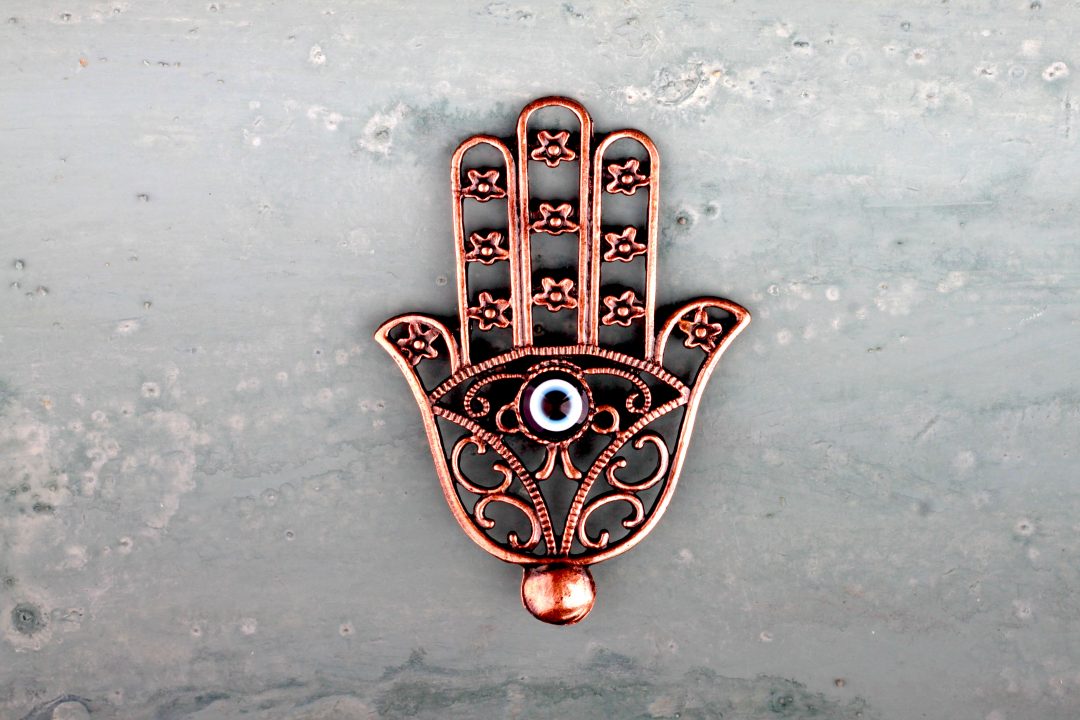
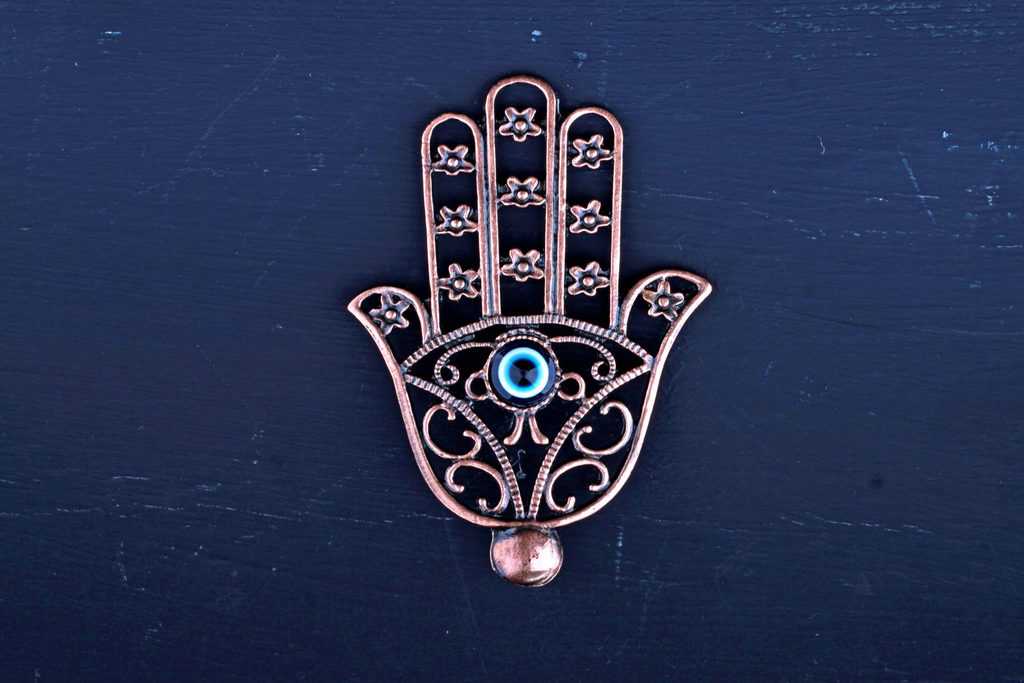
Okay, imagine this: I'm rummaging through my grandma's attic, right? Dust bunnies everywhere, cobwebs attacking my face, the whole shebang. And then, bam! I find this little, slightly tarnished silver pendant. It's shaped like a hand, with all these weird symbols etched on it. "Hmm," I think, "Grandma was always a bit… particular." She swore it kept away bad vibes. Turns out, it was a hamsa, a symbol of protection. Which got me thinking… protection from what exactly?
So, let's talk about symboles de protection contre le mal. Because honestly, who doesn't want a little extra help warding off negativity? Whether you're superstitious or not, the idea of having something, anything, that gives you a sense of security is pretty appealing, isn't it? Think of it as… emotional bug spray.
We're talking about symbols that have been around for ages. Things that our ancestors believed in, things that carry a weight of cultural meaning. And yeah, maybe it's all placebo effect, but hey, if believing in it makes you feel safer, who am I to judge? (Seriously, leave the judgment at the door, this is a safe space for slightly woo-woo topics.)
Must Read
The Usual Suspects
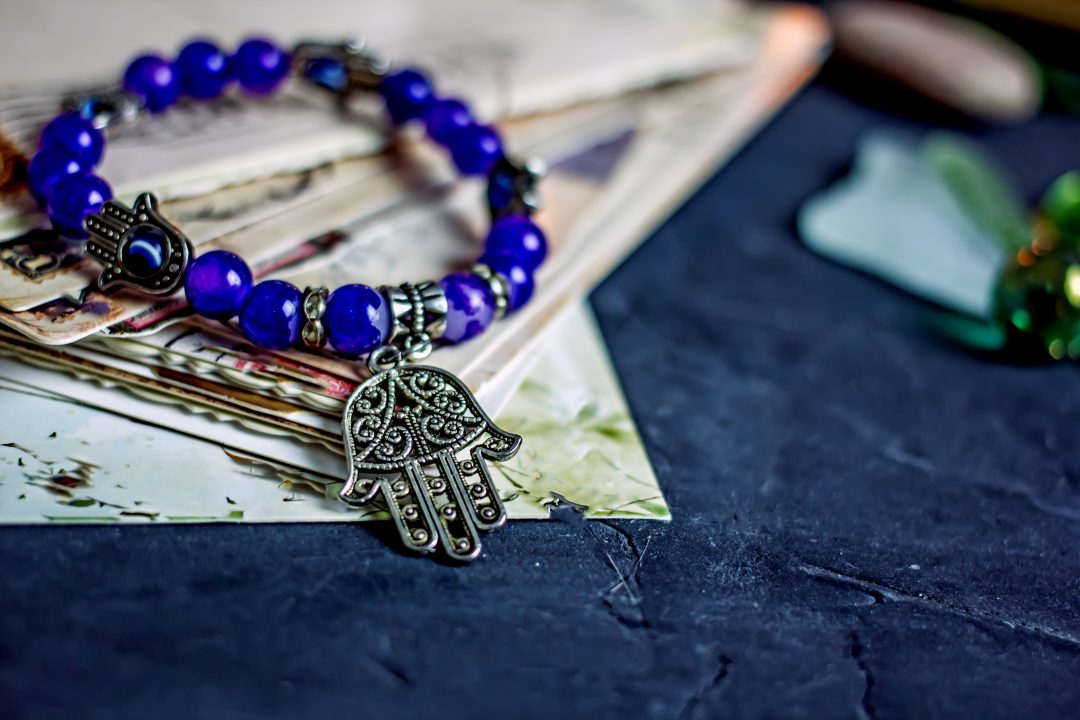
First up, let's look at some of the classics. The œil grec, or evil eye, is probably the most well-known. That blue glass bead with the eye in the middle? Yeah, that one. Supposedly, it deflects negative energy sent your way. Think of it as a magical mirror, reflecting all the nastiness back to sender. And let me tell you, those things are everywhere, from keychains to bracelets. I swear, you can't walk two blocks in Greece without tripping over one. (Okay, maybe that's an exaggeration.)
Then there's the croix, the cross. For many, it's a symbol of faith and protection rooted in religious belief. It represents sacrifice and hope, providing solace and reassurance. It’s not just a symbol; it’s a statement of belief. (Whether you agree or not, you have to admit, its history is pretty powerful.)
And of course, we can’t forget the fer à cheval. Hung above doorways, it's said to bring good luck and ward off evil spirits. Some believe the open end should face upwards to "catch" good fortune, while others believe it should face downwards to let the bad luck fall out. Choose your adventure, I guess!
More Than Just Objects
But symbols of protection aren't just physical objects, are they? Sometimes, they're rituals. Knocking on wood is a classic. Or chanting mantras. Or even just carrying a lucky charm in your pocket (a particularly shiny pebble, maybe?). It’s the intention behind the symbol that matters, more than the object itself.
And honestly, isn't that kind of beautiful? That we, as humans, have this innate desire to protect ourselves and our loved ones? That we create these symbols, these little anchors of hope, to help us navigate a world that can sometimes feel scary and uncertain?
So, next time you see someone wearing an amulet or carrying a talisman, maybe don't roll your eyes. Maybe just appreciate that they're doing what they can to feel a little bit safer, a little bit more secure. Because in the end, isn't that what we all want? A little bit of peace of mind. Un peu de protection contre le mal. (Even if that "mal" is just Tuesday morning blues.)