Radiateur Electrique Chambre
Okay, picture this: it's 3 AM, you're snuggled under your duvet, trying to ignore the creeping cold emanating from… everywhere. You curse yourself for not investing in a better heating system before winter decided to stage a full-blown arctic invasion. I mean, seriously, who needs an icebreaker in their bedroom? Anyone? Didn't think so.
Which brings me to our topic du jour: the electric radiator, especially, you guessed it, for the bedroom. Let's dive in, shall we? Because no one deserves to shiver their way through the night, especially not after a long day.
Why an Electric Radiator for the Bedroom?
First off, let's be honest: central heating isn't always the answer. Maybe your house is ancient and has the insulation qualities of a sieve. Maybe you just want to boost the temperature in a specific room. Whatever the reason, an electric radiator can be a real lifesaver.
Must Read
They are relatively easy to install, usually just requiring a plug socket. No complicated plumbing or expensive contractors needed! (Though, let's be clear: if you are unsure about any electrical work, always consult a professional. Safety first, kids!)
Another bonus? Control. You want your bedroom at a balmy 22 degrees while keeping the living room at a more energy-efficient 19? Easy peasy. Individual thermostats let you micromanage the temperature of each room like the control freak... cough cough... energy-conscious individual you are.
Types of Electric Radiators for Bedrooms
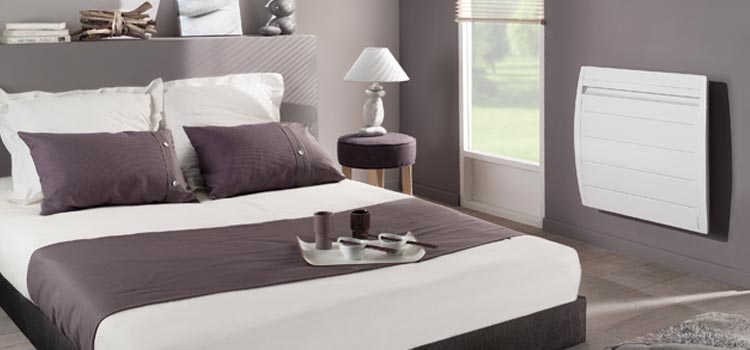
Now, there's a whole world of electric radiators out there. Think of it like choosing a Netflix show; overwhelming at first, but ultimately rewarding. You've got your classic convector radiators, oil-filled radiators, and even fancy-pants radiant panel heaters.
Convector radiators are generally cheaper and heat up quickly, but they tend to be less efficient and can create a drafty feeling. Not ideal for a bedroom, in my opinion.
Oil-filled radiators take longer to heat up, but they retain heat for longer, making them a more efficient option overall. They also tend to be quieter, which is a big plus when you're trying to sleep. (Side note: that "oil" is usually a special thermal fluid. Don't go dumping cooking oil in there, please!)
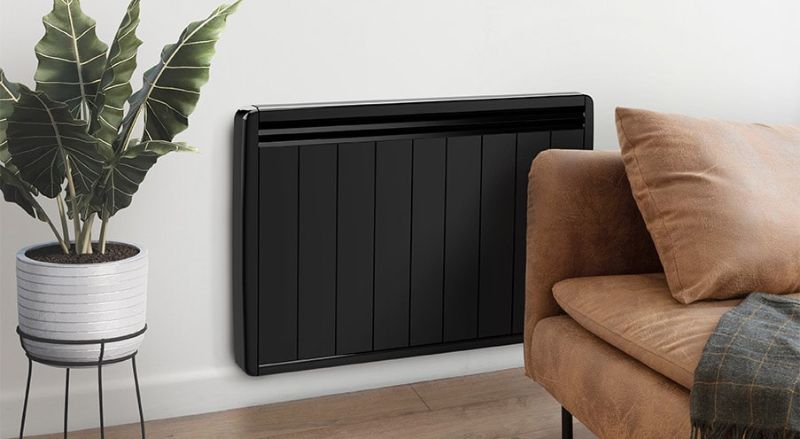
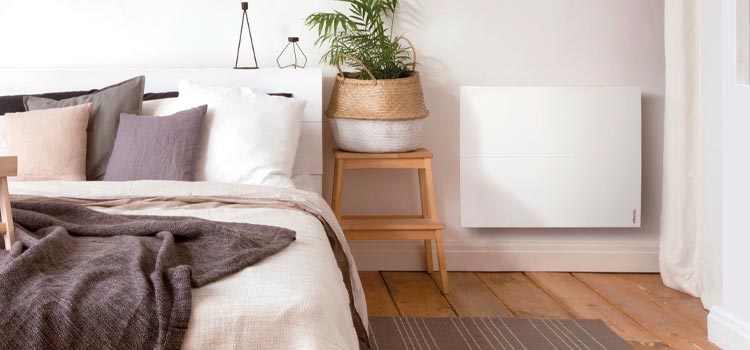
Radiant panel heaters are the sleek, modern option. They use infrared radiation to directly heat objects and people, rather than the air. This can create a more comfortable and even heat. They also look pretty cool, which is never a bad thing.
Things to Consider Before Buying
Okay, so you're sold on the idea of an electric radiator. Great! But before you rush out and buy the shiniest one you see, there are a few things to think about.

Size and wattage: This is crucial! You need to choose a radiator that's powerful enough to heat your bedroom effectively. Too small, and you'll be stuck shivering. Too big, and you'll be wasting energy (and money). There are online calculators that can help you determine the right wattage based on the size of your room and the level of insulation. Do your research!
Thermostat and timer: A good thermostat will help you maintain a consistent temperature, while a timer allows you to program the radiator to turn on and off at specific times. This is especially useful for bedrooms, as you can set it to warm up the room before you get out of bed. Bliss!

Safety features: Look for radiators with features like overheat protection and tip-over shut-off. You know, just in case you accidentally knock it over while sleepwalking.
Cost: Obviously. Electric radiators can range in price from relatively affordable to quite expensive. Consider your budget and weigh the pros and cons of different models before making a decision.
So, there you have it! Your crash course in electric radiators for the bedroom. Hopefully, this has helped you navigate the world of heating and will lead to warmer, more comfortable nights. Sweet dreams!