Page De Garde D'un Scénario

Okay, imagine this: I'm rummaging through a stack of scripts, looking for that one gem. You know, the one that's going to change my life, launch my career, maybe even get me a date with Timothée Chalamet (a girl can dream, right?). And then BAM! A script with… no cover page. Like, seriously? Just the title scrawled on the first page in what looks like ketchup. Ketchup, I tell you!
This, my friends, is a cardinal sin in the screenplay world. It's like showing up to a job interview in your pajamas. Sure, maybe your brilliance shines through, but you've already made a terrible first impression. And in this cutthroat industry, first impressions are everything. Everything!
Which brings me to our topic du jour: the humble, yet mighty, page de garde, or screenplay cover page.
Must Read
Why Bother with a Cover Page?
Seriously? After that ketchup story? Okay, okay, I'll elaborate. Think of it as your script's resume. It's the first thing anyone sees, and it tells them, at a glance, crucial information. It's not just about looking professional (though that's a big part of it). It's about showing respect for the reader's time and demonstrating that you understand the basic conventions of screenwriting. Plus, it saves the reader from having to hunt for essential info, which, trust me, they'll appreciate. And happy readers are more likely to… well, you know… read your script!

What Goes On This Magical Page?
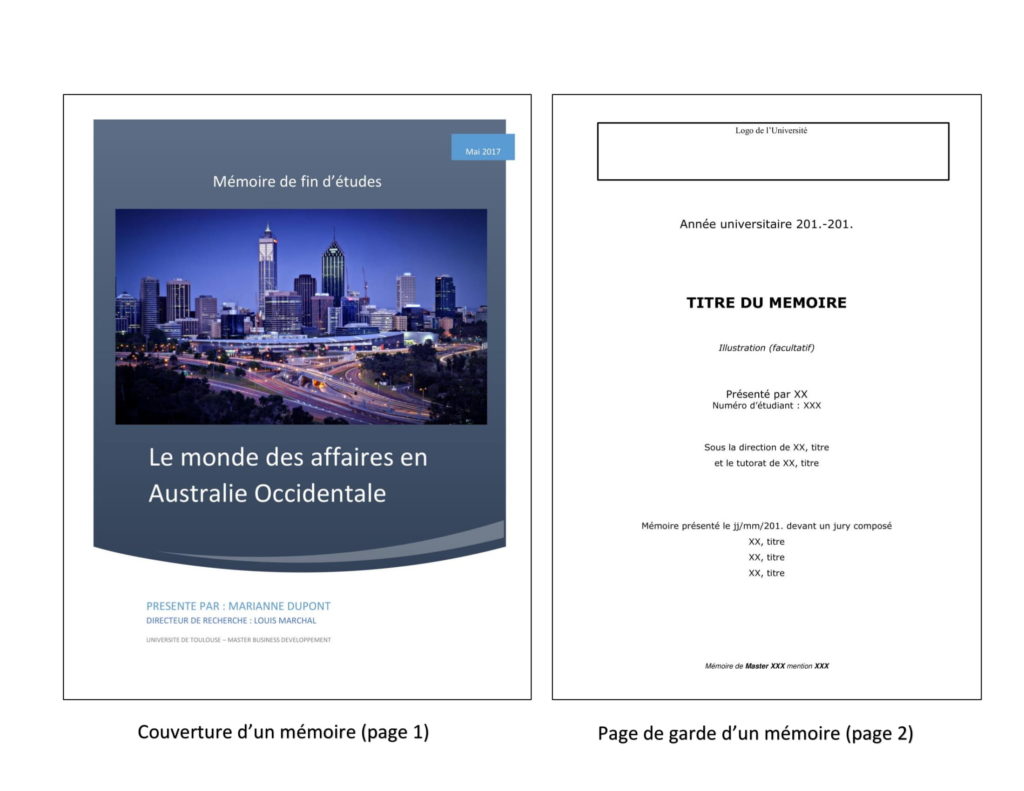
Alright, let's break it down. The elements are pretty standard, but the placement matters. We don’t want to go all chaotic on this. Here’s the essential recipe:
- Title: This is the star of the show. Bold, centered, and usually in all caps. Keep it snappy and memorable. Think "Inception" not "The Extremely Long and Tedious Saga of Brenda and Her Lost Sock." (No offense to Brenda).
- "Written by" or "By": Clearly indicate who wrote the masterpiece. Centered, a few lines below the title.
- Your Name(s): Yep, that's you! Centered under "Written by". (Or "By" if you’re feeling minimalist.)
- Contact Information: Crucial! This usually goes in the bottom left corner. Include your name, address, email, and phone number. Make it easy for people to contact you! Don't hide like you're running from the law.
- Draft Date (Optional): In the bottom right corner, you can add the date of the current draft. This is useful for keeping track of revisions, especially if you're sending out multiple versions. This can be a simple month/year format.
Side note: Some people add a WGA registration number or copyright information to the cover page. That's entirely up to you and depends on your personal preferences and legal strategy. I am not a lawyer so take my advice with a grain of sel de Guérande.

Formatting Tips and Tricks
This isn't brain surgery (unless your script is about brain surgery, in which case, good luck!). But a few formatting tips can make your cover page shine.
- Font: Courier or Courier New is the standard. Stick with it. Please. For the love of all that is holy.
- Margins: Use standard screenplay margins. The default settings in screenwriting software usually handle this for you.
- Keep it Clean: Don't overcrowd the page. White space is your friend. A clean and simple cover page is much more effective than one that's cluttered and confusing. Simplicity is clé!
So there you have it! Your quick guide to the essential screenplay cover page. Now go forth and create pages de garde that are as captivating as the scripts they protect (and hopefully, less likely to be covered in ketchup).

![[Docx] Exemple page de garde pour une mémoire gratuite - RapportDeStage](https://2.bp.blogspot.com/-TugECltRS88/U9KhshXdV0I/AAAAAAAAB-8/kbZflLpnFuM/s1600/[Docx]+Page+de+garde+pour+un++rapport+de+stage.jpg)