Page De Garde Cahier Liaiso

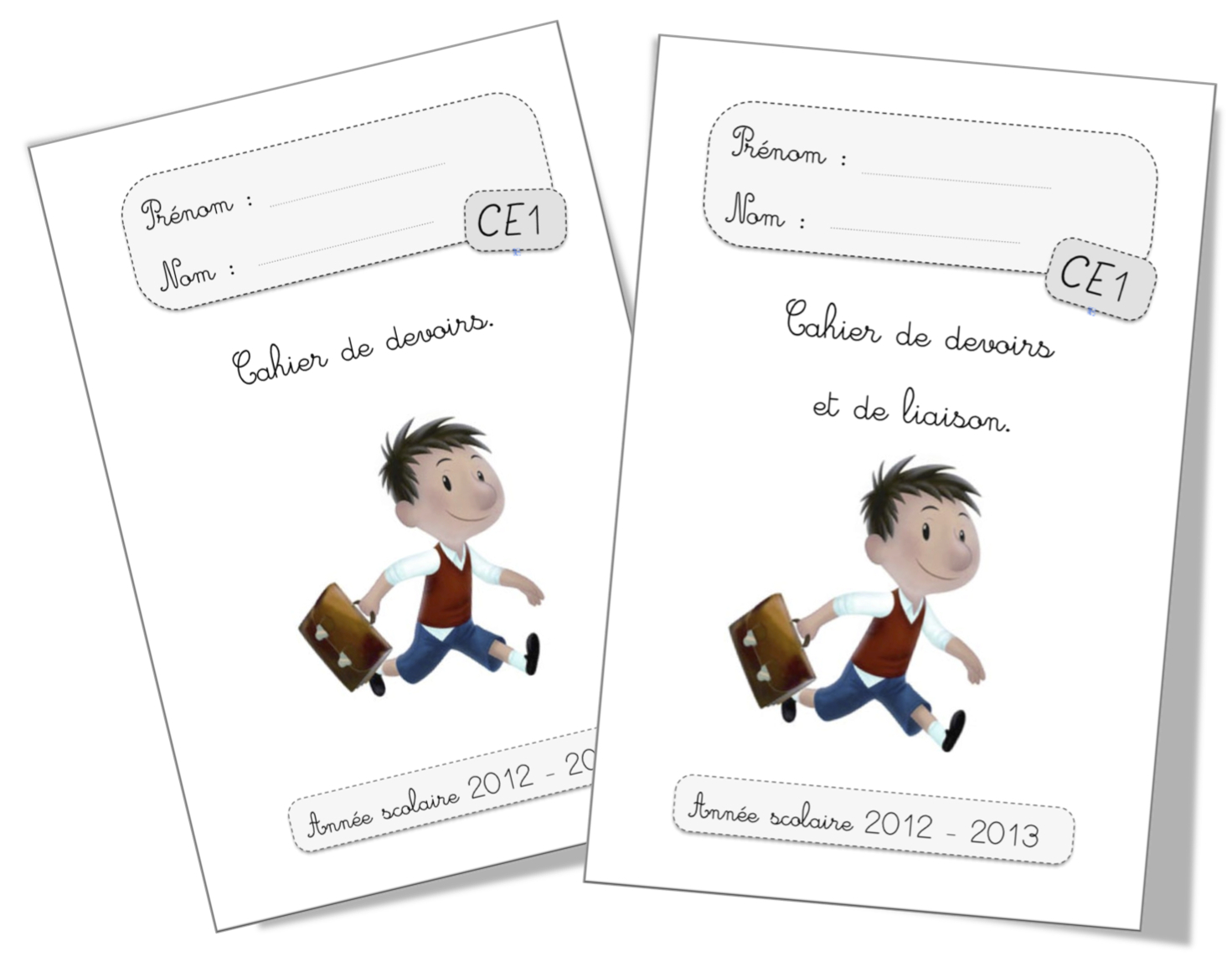
Ah, la "Page de Garde Cahier de Liaison"... Just the name sounds a bit serious, doesn't it? But really, it's just the cover page of your child's communication notebook in French school. It's the gateway to a year of notes, updates, and possibly the occasional "votre enfant a été très bavard aujourd'hui" (your child was very chatty today). Let's demystify it and even make it, dare I say, a little fun!
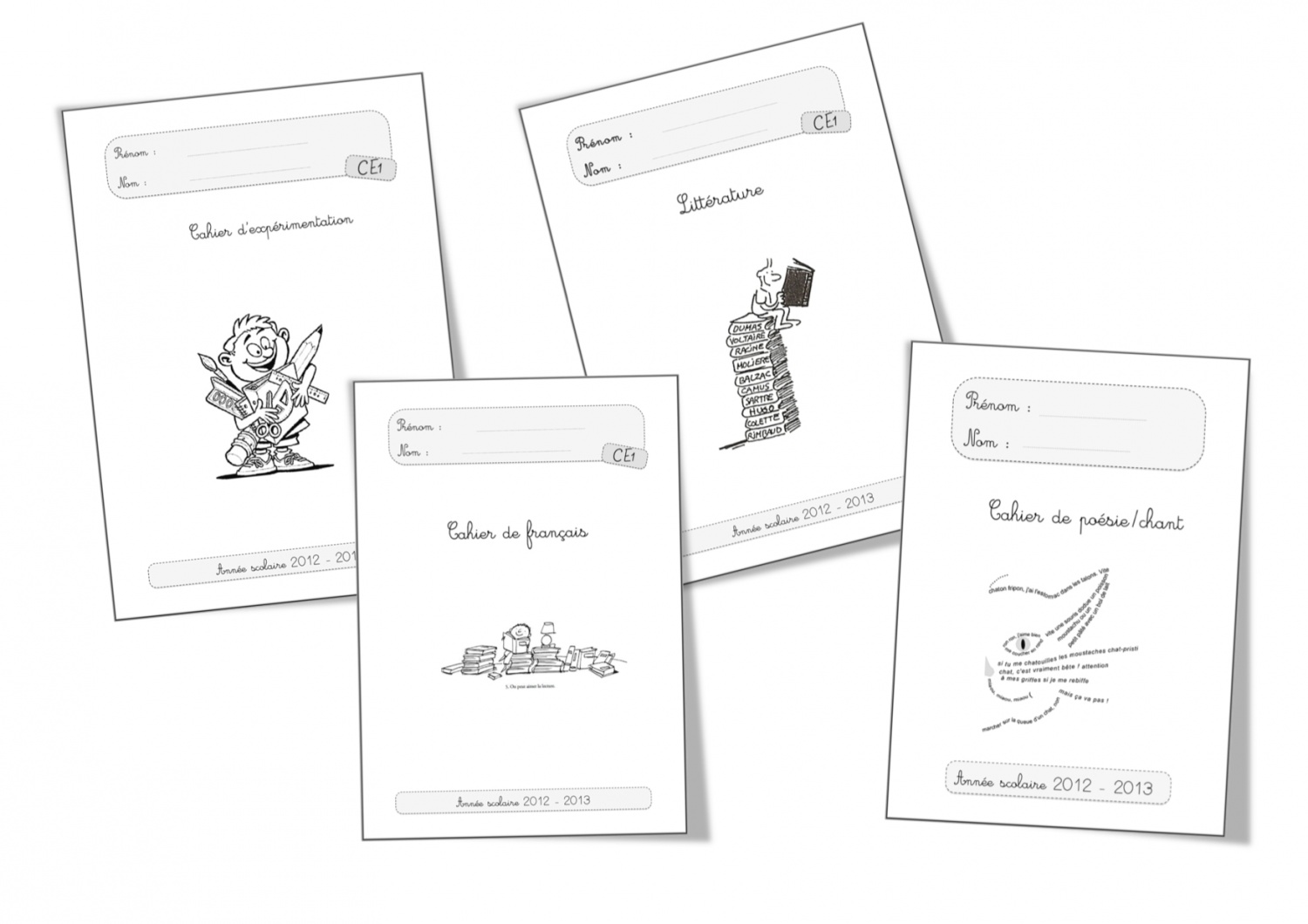
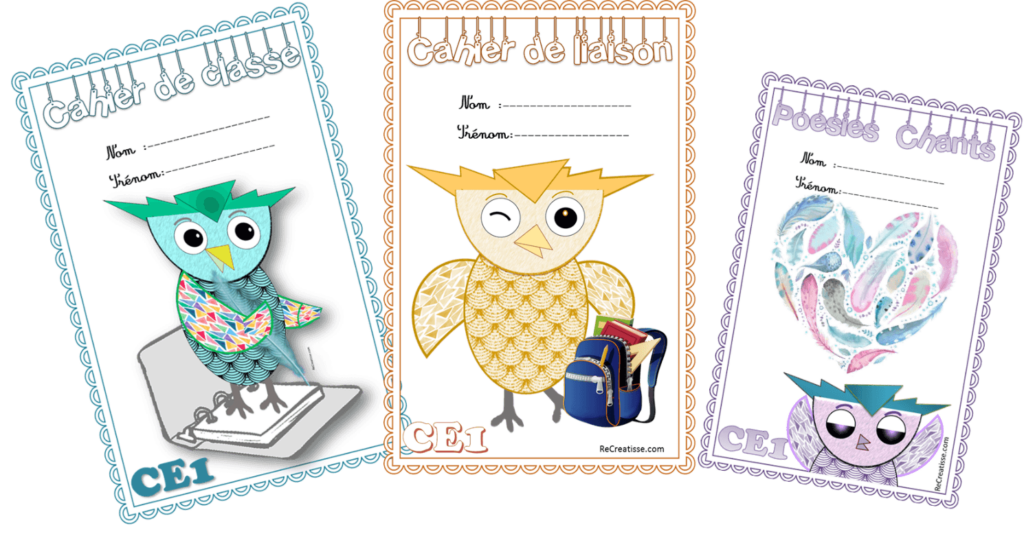
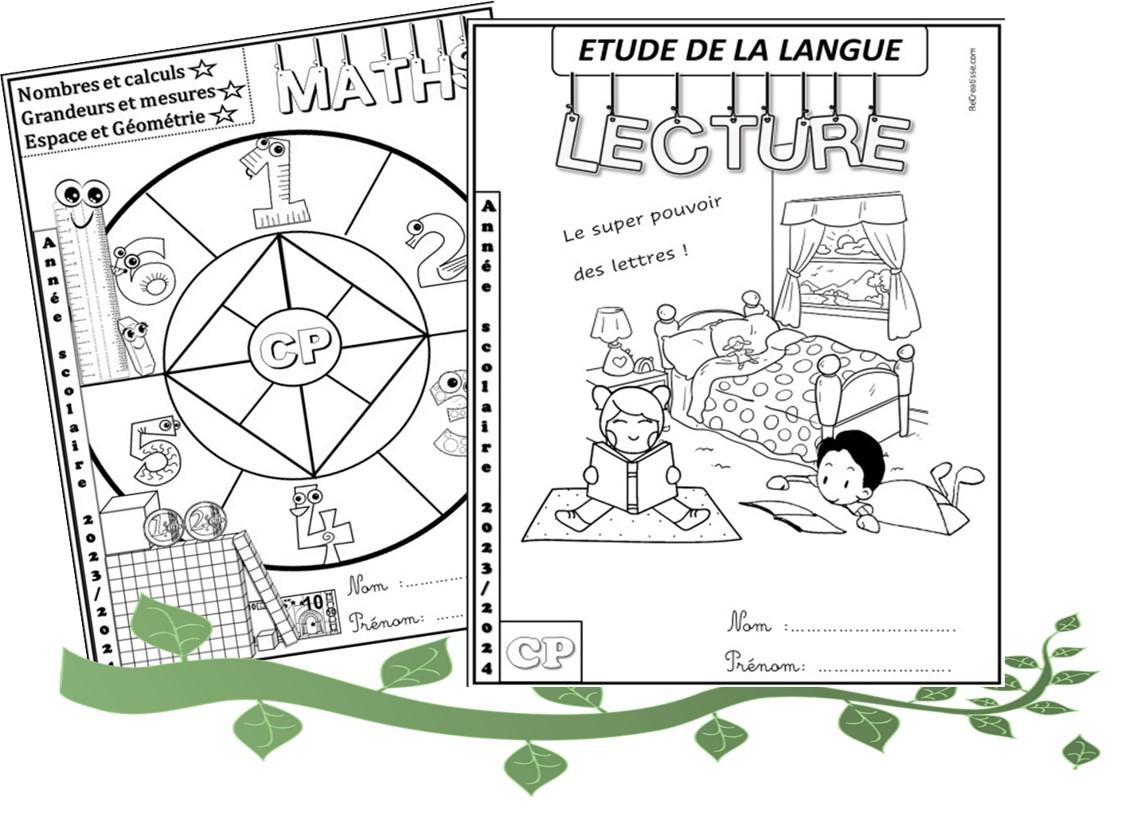
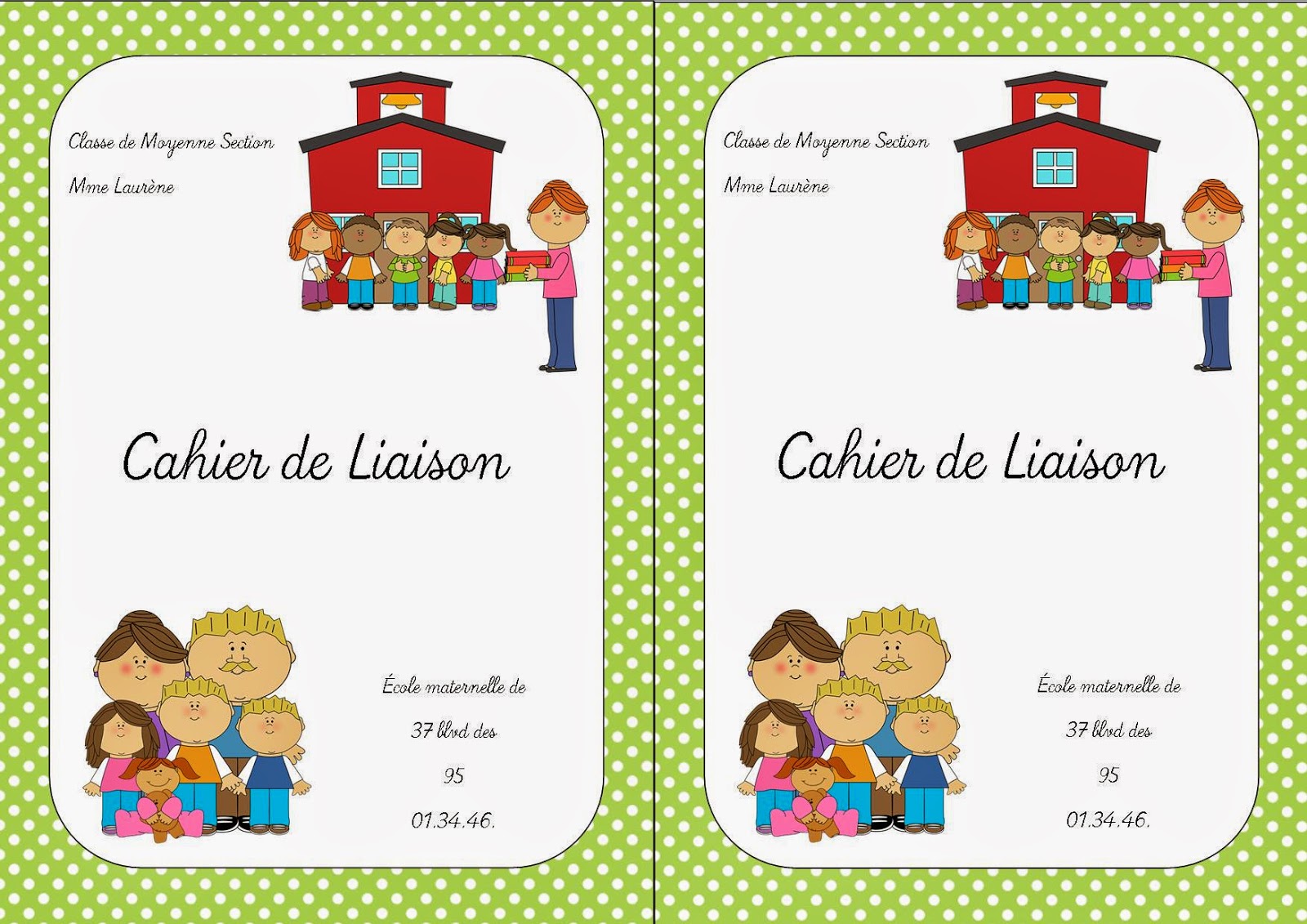
So, what exactly is this infamous "Page de Garde"? Think of it as the official introduction of your child to their teacher, and vice-versa. It typically includes your child's name, class, school year, and contact information for parents. It's the first impression, so let's make it a good one!
Decoding the Essentials
While schools often provide a template, knowing what information is crucial can save you time and potential confusion.
Must Read
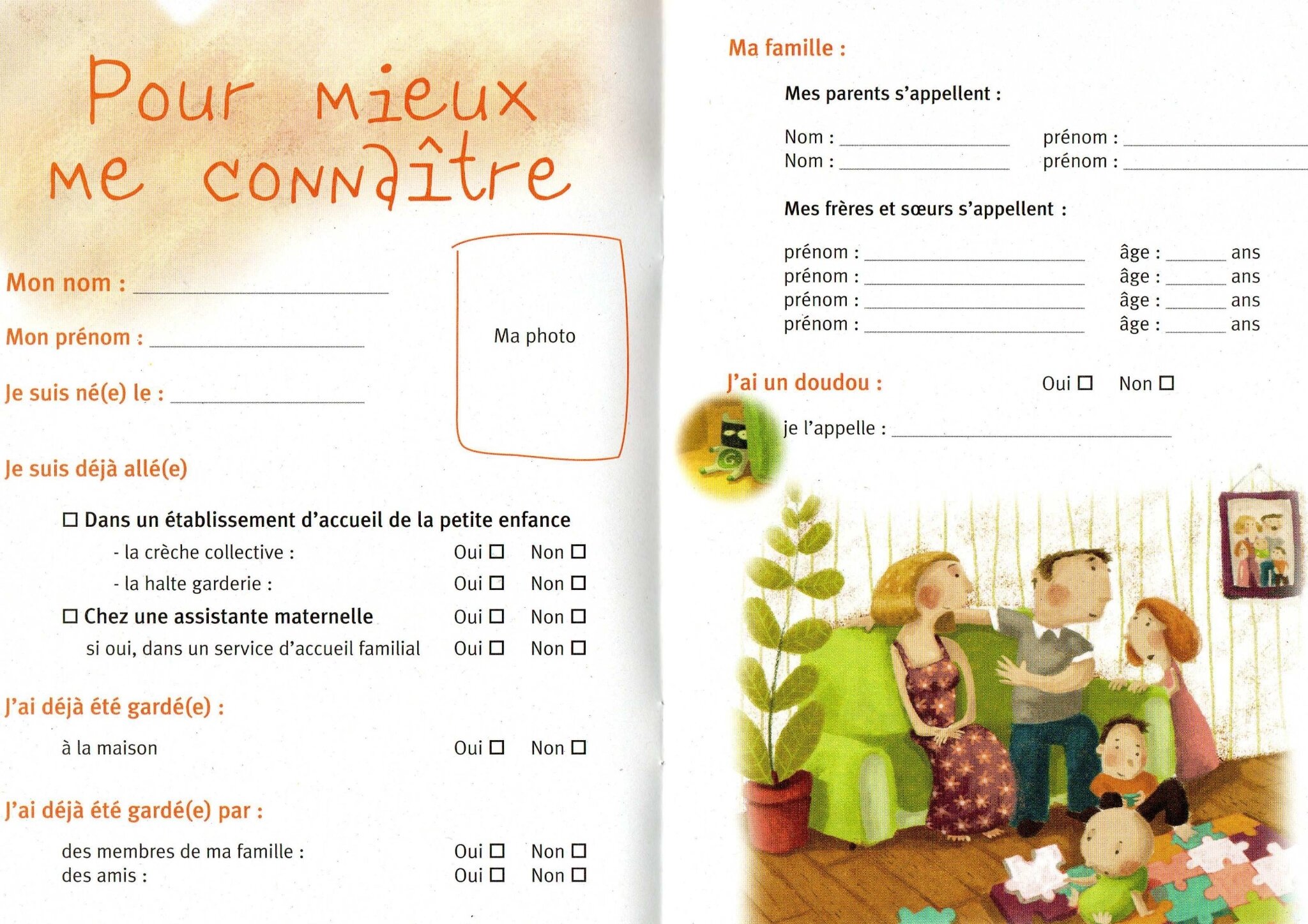
- Nom et Prénom de l'Élève: This is a no-brainer – your child's full name. Double-check the spelling!
- Classe: Indicate the class level, like "CP" (Cours Préparatoire - 1st grade) or "CM2" (Cours Moyen 2ème année - 5th grade).
- Année Scolaire: The school year, e.g., 2023-2024.
- Nom de l'École: The name of the school.
- Adresse: Your home address (or the address where the child resides primarily).
- Numéros de Téléphone: Phone numbers for both parents/guardians. Indicate who is the primary contact person. Essential for emergencies!
- Adresse Email: A valid email address that you check regularly. This is how the teacher will often communicate quickly.
Spice it Up (Without Overdoing It)
While formality is important, there's room for a touch of personality. A small, tasteful drawing by your child, a sticker, or a pre-printed label with a cute design can add a bit of charm. Just avoid anything too distracting or elaborate. Remember, the focus should be on the information provided. Think of it like decorating a minimalist apartment – a few carefully chosen accents can make all the difference.
Pro Tip: In France, "less is more" often applies. A simple, clean design is usually appreciated more than an overly decorated one.

Beyond the Basics: A Touch of French Flair
Let's incorporate a little French culture. Instead of just writing "Téléphone", try "Numéro de Téléphone" – it sounds a bit more elegant. Use "Cordialement" (Sincerely) when you need to write a brief note on the page. Small touches like these show you've put in a little extra effort and understand the cultural context. It's like choosing a classic French film over a blockbuster – a subtle nod to good taste!
Fun Fact: The "Cahier de Liaison" is a very French institution. While similar communication notebooks exist elsewhere, the importance placed on it in French schools is unique. It's a window into the partnership between home and school.
Practical Tips for Success
- Review Regularly: Check the "Cahier de Liaison" daily. Don't let important notices pile up!
- Respond Promptly: If the teacher requests a response, reply as soon as possible.
- Keep it Organized: Consider using dividers or tabs to separate different sections.
- Communicate Respectfully: Remember that the "Cahier de Liaison" is a formal communication tool. Maintain a polite and professional tone.
Making the "Page de Garde Cahier de Liaison" a simple, clear, and even slightly personalized introduction sets the stage for a year of effective communication. It's a small act that contributes to a smoother, more positive school experience for both your child and their teacher.
In the end, it's a reminder that even seemingly mundane tasks, like filling out a form, can be opportunities to connect, communicate, and build bridges. Taking a little extra care with the details can make all the difference, not just in the classroom, but in all aspects of life.