Mononoke The Movie Phantom In The Rain
Okay, so picture this: me, last week, scrolling endlessly through streaming services. You know, the usual existential dread of "what am I even going to watch?" hitting hard. Then, BAM! Mononoke The Movie: Phantom in the Rain pops up. I vaguely remembered loving the original series years ago, all creepy visuals and subtle Japanese folklore. I thought, "Why not?" Little did I know, I was about to dive headfirst into a swirling vortex of vibrant colors, unsettling truths, and enough symbolism to make my brain do gymnastics.
And that's what I want to talk about: how this movie manages to be both visually stunning and deeply thought-provoking. We're not just talking jump scares here (though there are definitely some moments that will make you jump!). We're talking about a story that uses its supernatural elements to explore some pretty heavy themes about society, prejudice, and the lies we tell ourselves.
The Visual Feast (Seriously!)
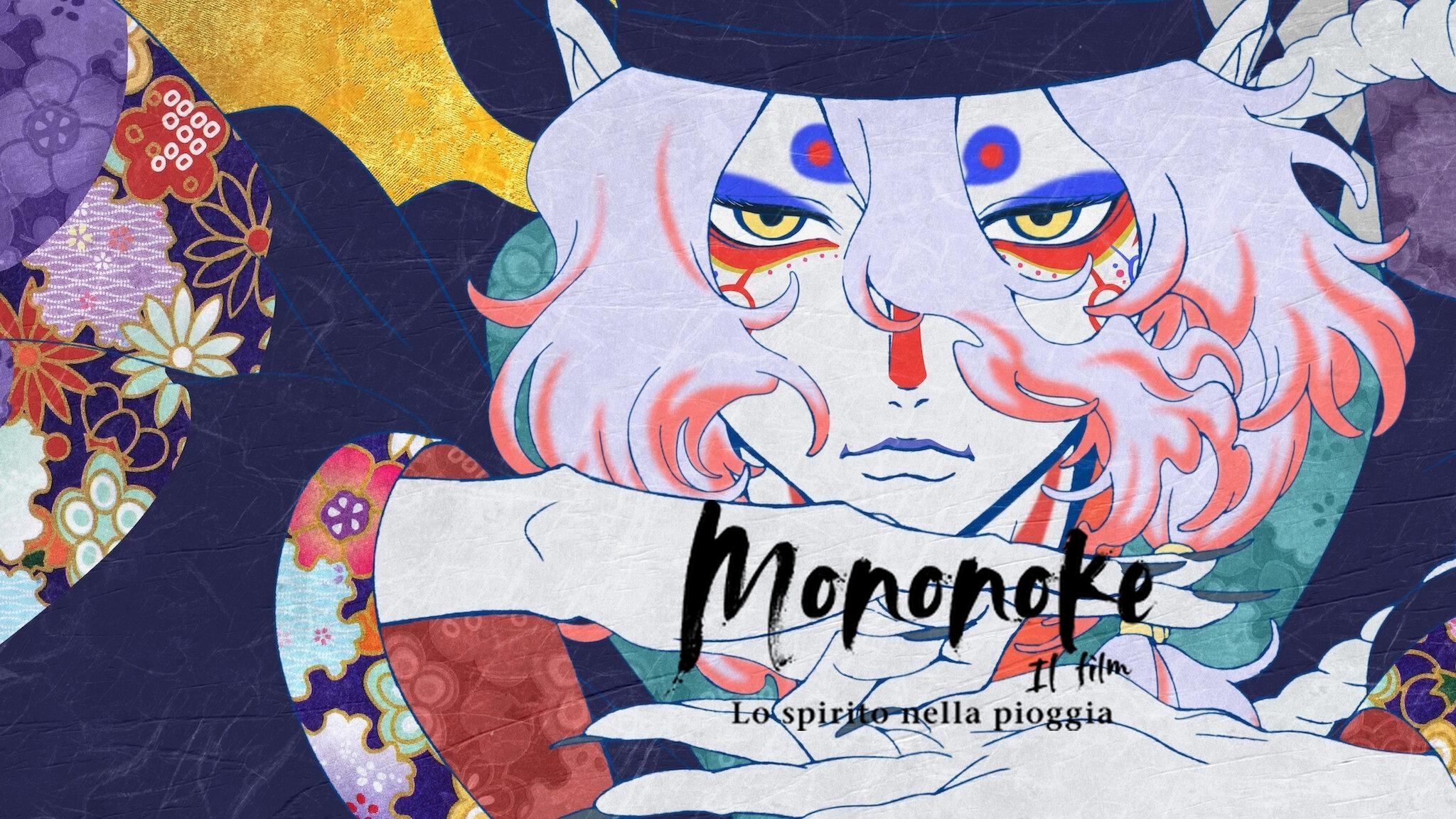
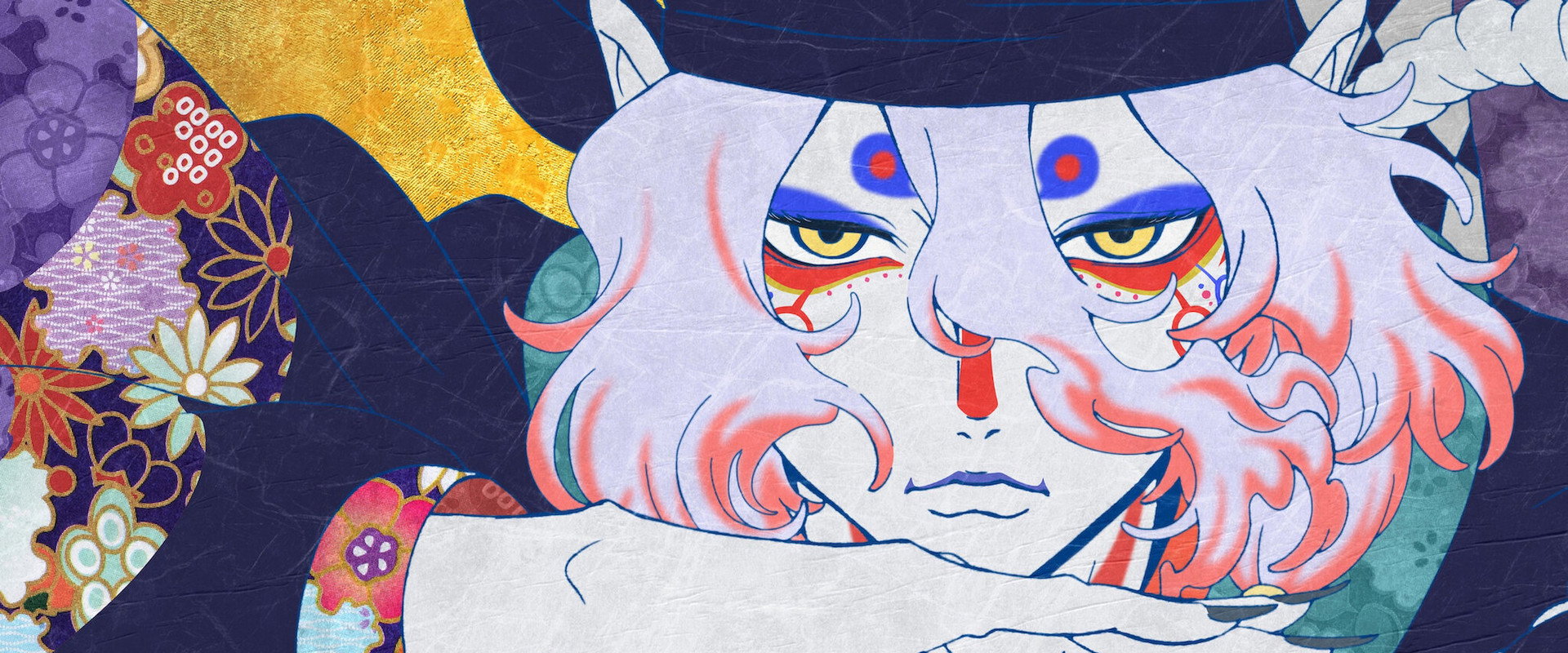
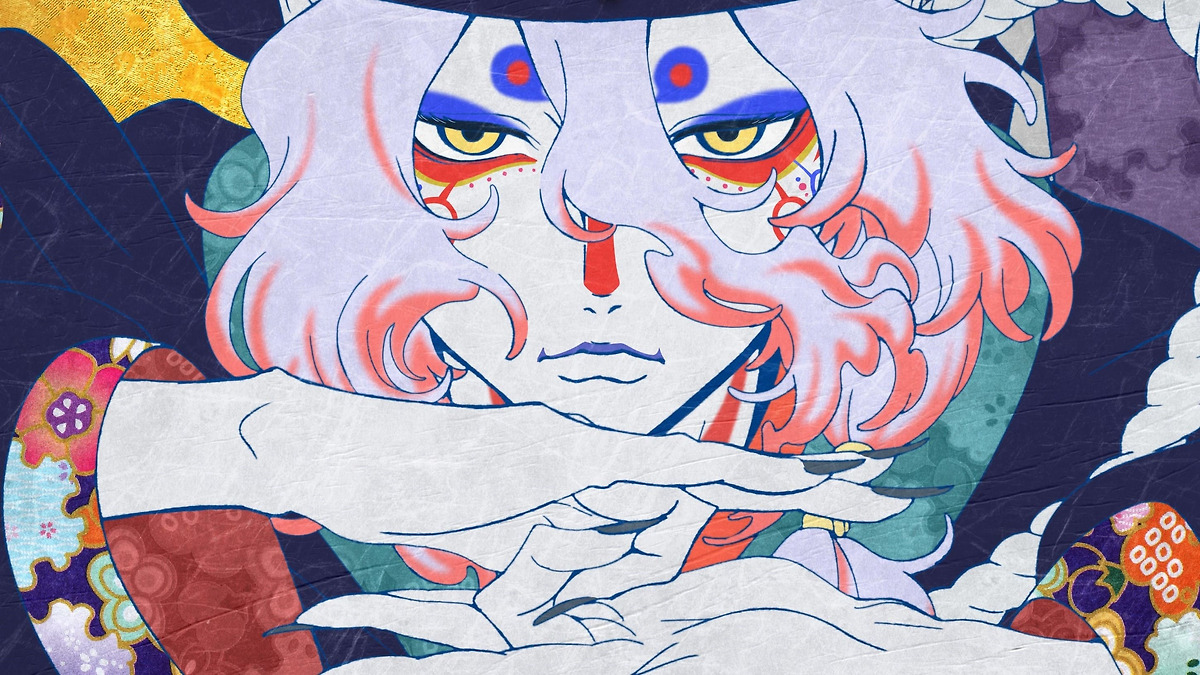
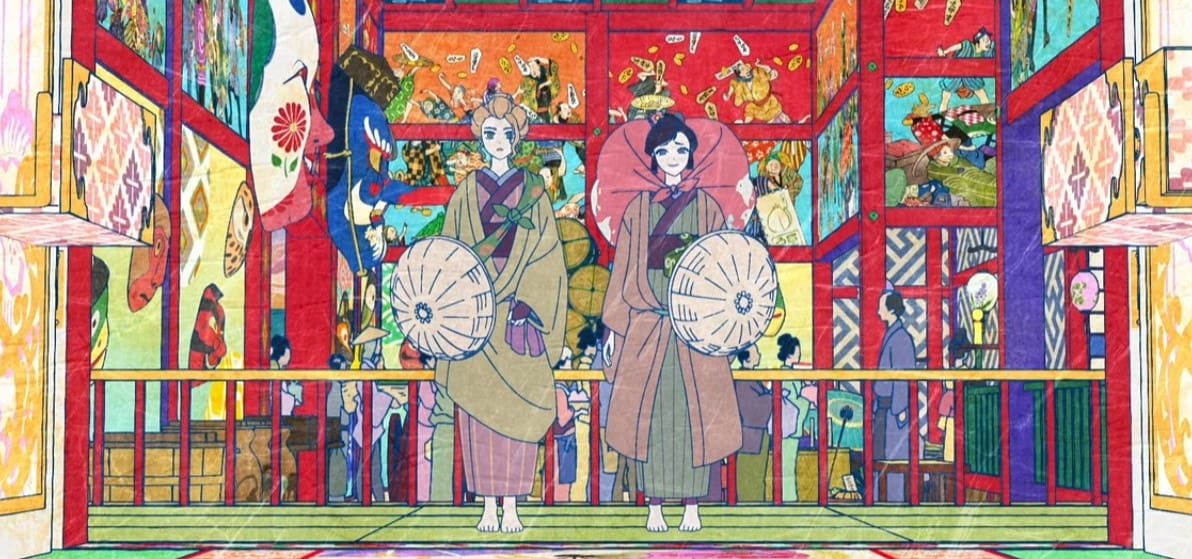
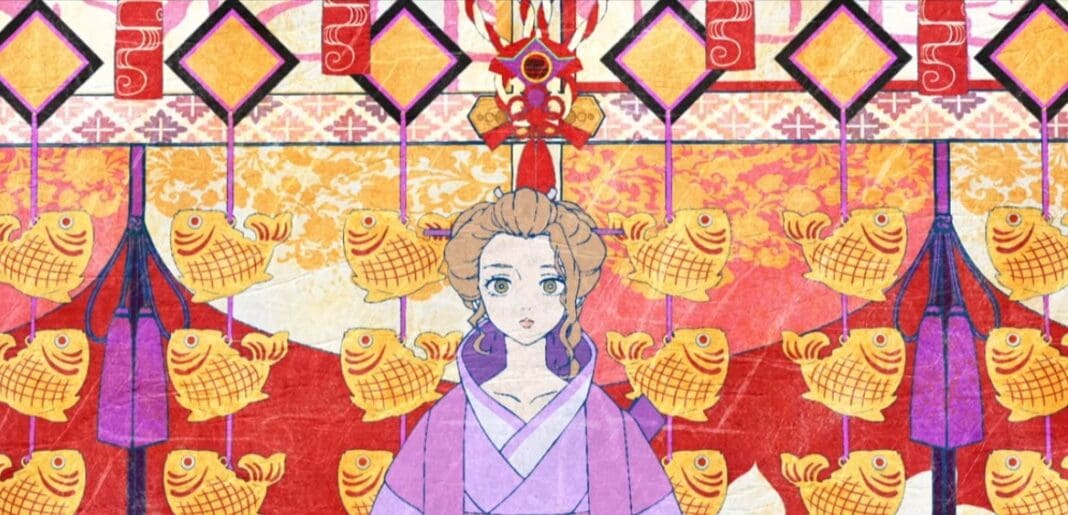
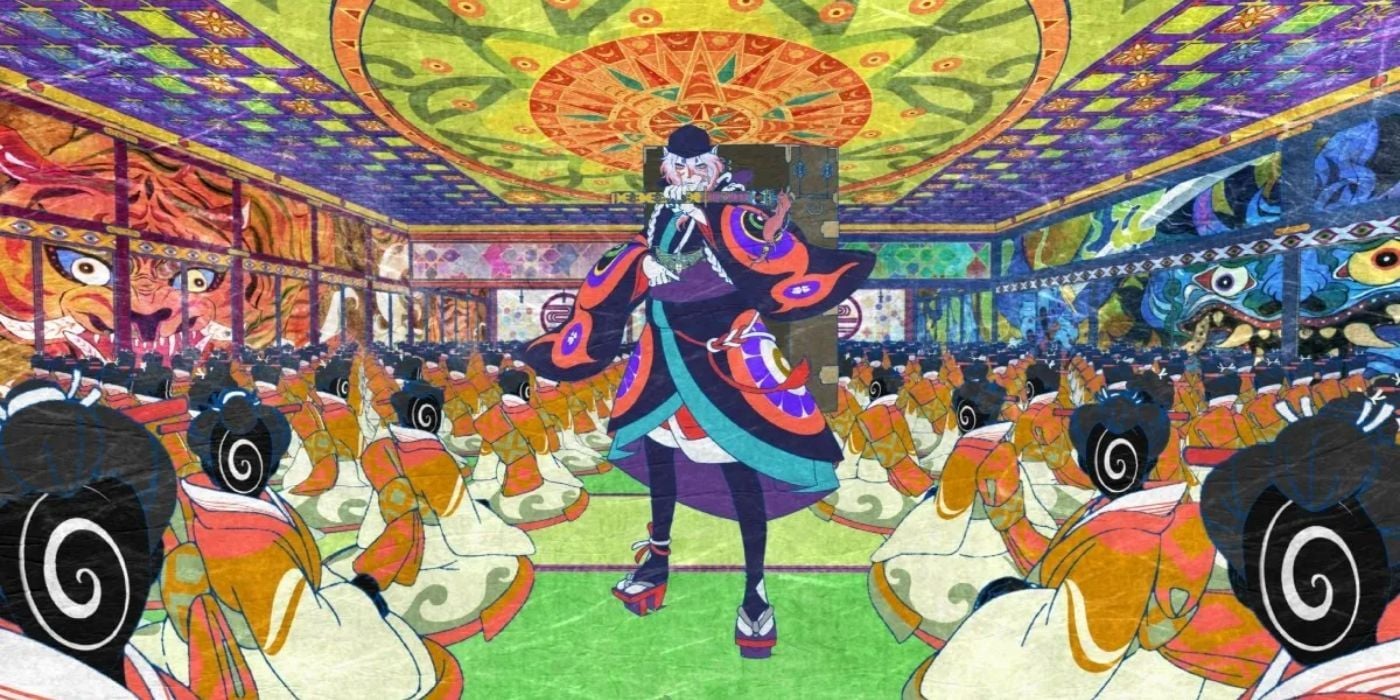
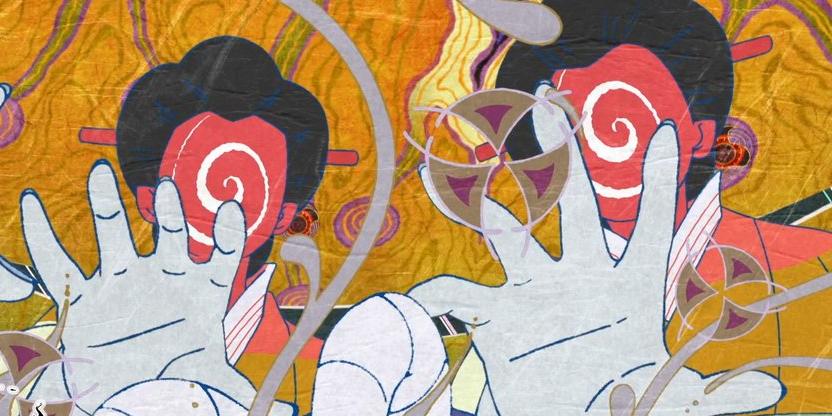
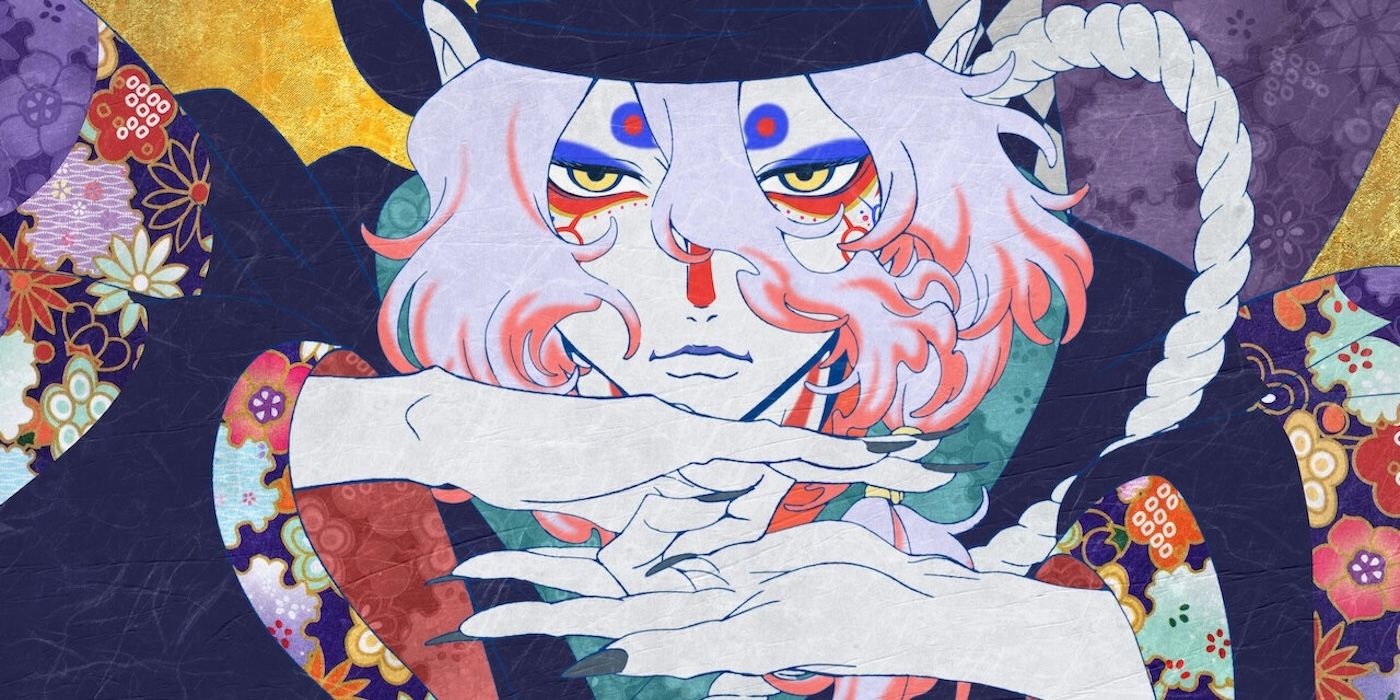
Let's get the obvious out of the way: this movie is gorgeous. Like, stop-what-you're-doing-and-appreciate-the-artistry gorgeous. The color palette is insane – bold, vibrant, and totally unique. The animation style, a blend of traditional Japanese art with modern techniques, is just…chef's kiss. It's like they took all the beautiful ukiyo-e prints from the Edo period and gave them a shot of pure adrenaline. If you're even remotely interested in visual art, this movie is worth watching for the aesthetics alone. Trust me on this one.
Must Read
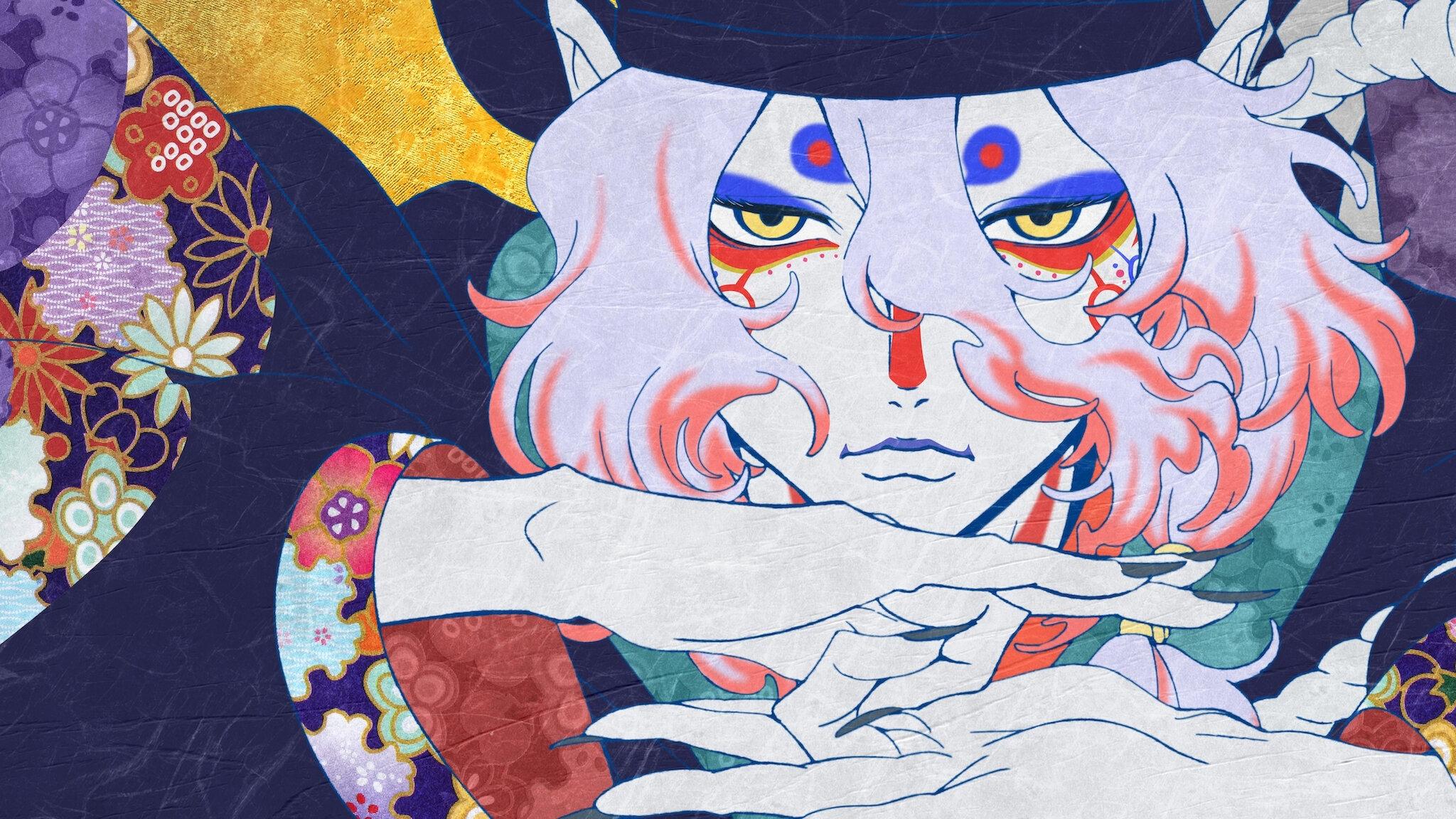
And it's not just pretty pictures, either. The visuals are integral to the story. The Kusuriuri (the Medicine Seller) uses his tools and incantations, which are rendered with such intricate detail, to reveal the true form of the Mononoke. It's a constant reminder that what we see isn't always the truth.
More Than Just Ghosts and Goblins
Okay, so the visuals are amazing, we get it. But what about the story? Well, it’s set in a world steeped in tradition and social hierarchy, and it doesn't shy away from showing the ugly side of that. Remember that anecdote I started with? Well, the movie's story felt like that moment of choosing something to watch – a search for something deeper than what is on the surface.
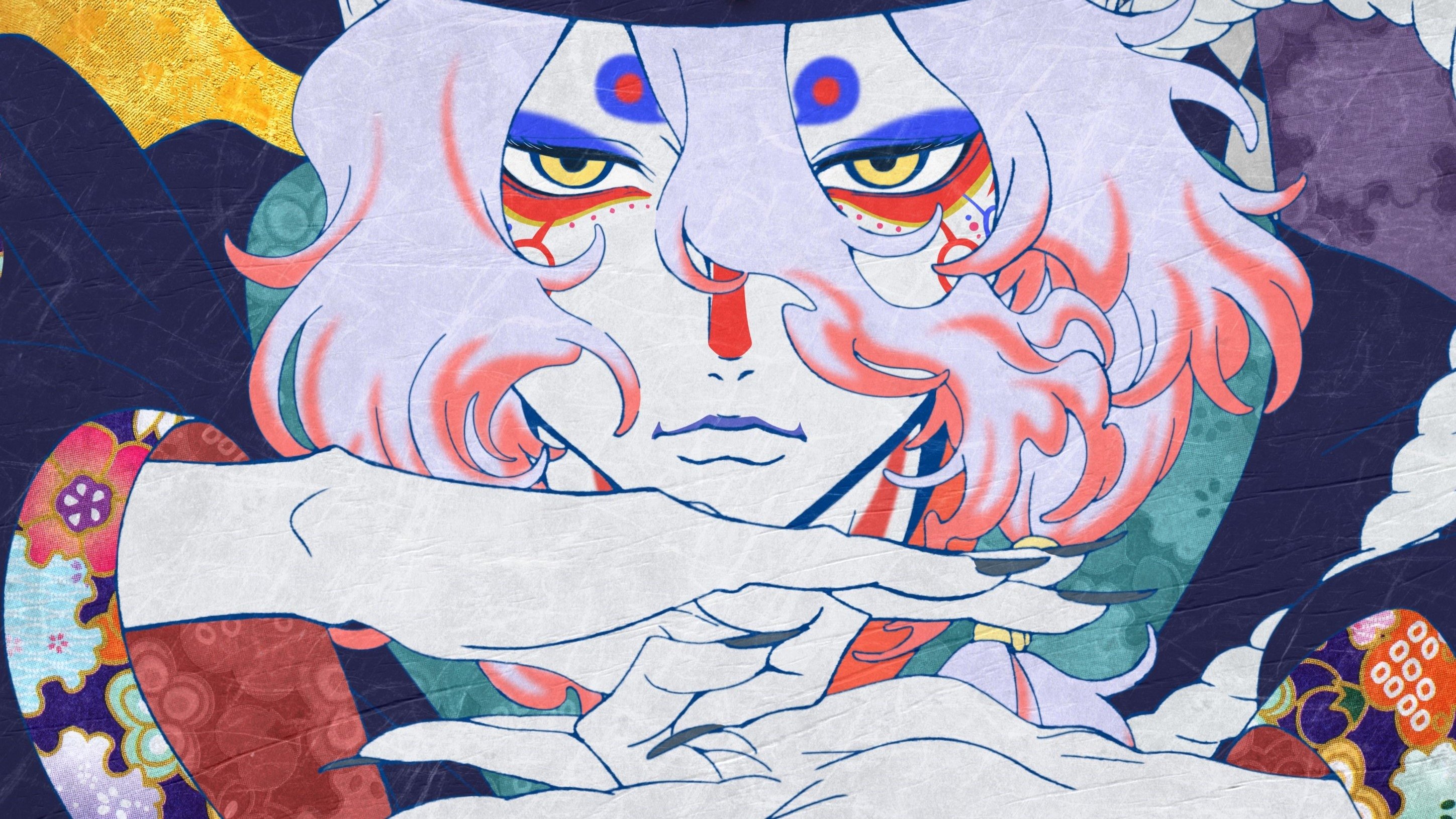
The movie tackles themes of discrimination and the silencing of marginalized voices. The Mononoke, born from the regret and malice of humans, are often a reflection of societal ills. It forces us to confront uncomfortable truths about how we treat each other. Pretty heavy stuff for a "monster movie," right? But that's what makes it so compelling.
The Medicine Seller: A Mirror to Our Souls
And then there's the Kusuriuri, our enigmatic protagonist. He's not your typical hero; he's more of an observer, a catalyst. He doesn't fight the Mononoke directly; he uncovers the truth behind their existence. He holds a mirror up to society, forcing it to confront its own demons. He needs to understand the Form, the Truth, and the Reason before he can even begin to exorcise the Mononoke. It's a pretty complicated process!
Isn't that kind of what we should all be doing? Examining our own biases, confronting our own mistakes? (I know, easier said than done, believe me!).
Mononoke The Movie: Phantom in the Rain is not just a visually stunning anime movie; it's a complex and thought-provoking exploration of human nature. It challenges us to look beyond the surface, to confront uncomfortable truths, and to strive for a more just and compassionate world. It's a beautiful and disturbing reminder that sometimes, the real monsters are the ones we create ourselves. And hey, at least it kept me from doom-scrolling for a couple of hours!