
Mise En Page Dossier Page De Garde

Okay, imagine this: I'm rushing to print my thesis, right? Like, deadline-breathing-down-my-neck rushing. Everything's perfect, meticulously researched, eloquently written (well, I thought so anyway!). I hit print, grab the stack, and... horror! My cover page looks like it was designed by a caffeinated chimpanzee with a font fetish. Text overflowing, clashing colors, general visual chaos. Dramatic, I know, but that’s exactly how I felt! That, my friends, is the nightmare scenario that proper mise en page for your dossier's page de garde aims to prevent.
So, what is this "mise en page" magic we’re talking about? Basically, it’s the art of arranging all the elements – text, images, logos – on your page in a way that's both visually appealing and easy to read. Think of it as visual storytelling. You're guiding the reader's eye and highlighting the most important information. And trust me, in the world of dossiers, first impressions matter. Especially on that cover page! (Think of it like your dossier's dating profile pic... you want it to be good!).
La Page de Garde: Your Dossier's VIP
The "page de garde," or cover page, is your dossier's ambassador. It's the first thing anyone sees, and it sets the tone for everything that follows. A well-designed cover page communicates professionalism, attention to detail, and, frankly, that you actually care about your work. And who doesn't want to project that image?
Must Read
What should always be on that page? The basics, of course: the title of your dossier (duh!), your name, the date, and, if applicable, the institution or organization you're submitting it to. Think of these as the essential ingredients for your cover page recipe. You can get creative, but don't forget the foundations!
Font choices are key. Resist the urge to use Comic Sans. Please. Seriously, please don’t. Opt for clean, readable fonts like Arial, Calibri, or Times New Roman. (Or if you're feeling adventurous, explore some modern sans-serif options... but do your research!). And limit yourself to one or two fonts max. A font party on your cover page is a big no-no.
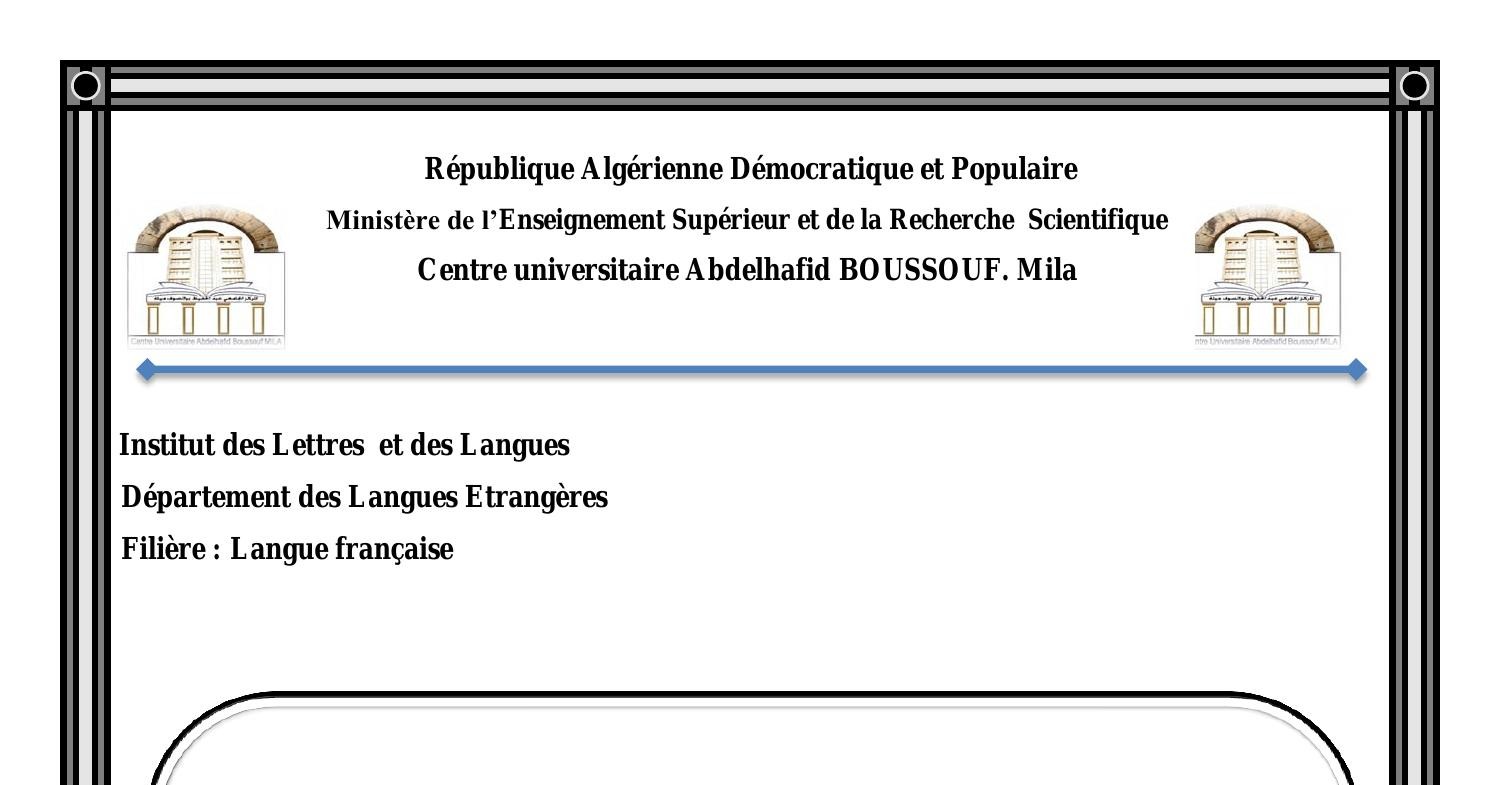
White space is your friend. Don't cram everything onto the page! Give your elements room to breathe. White space (or negative space) helps guide the eye and makes the overall design feel less cluttered and more sophisticated. Think minimalist chic, not frantic hoarding.
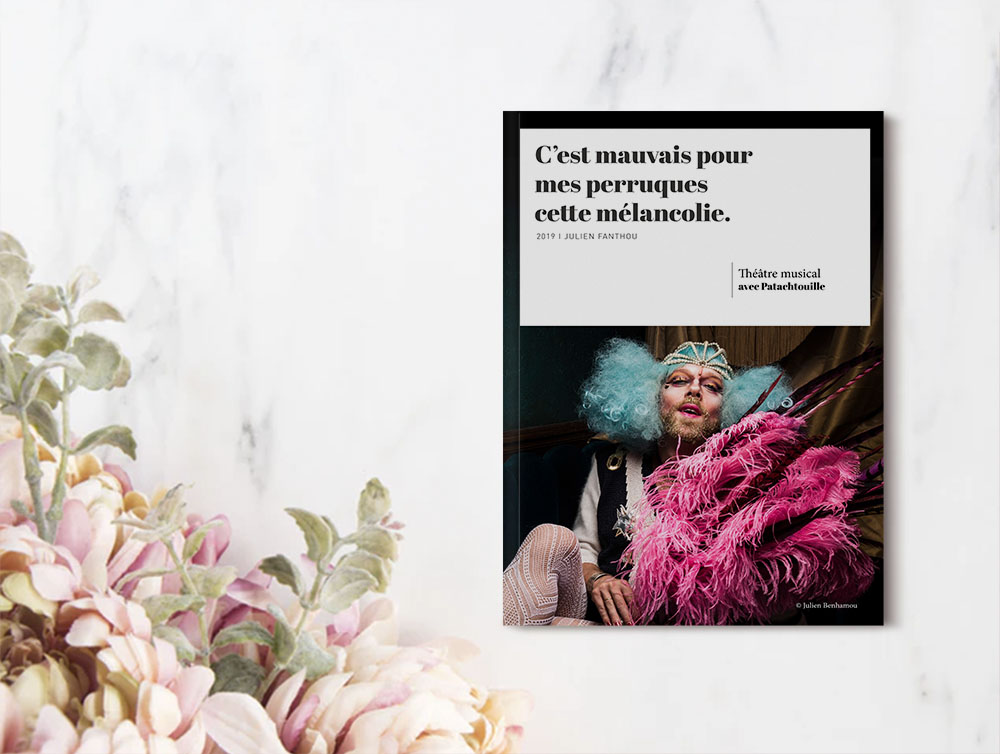
Consider visuals. A relevant image or logo can add visual interest to your cover page. However, be mindful of image quality and resolution. A pixelated image screams "amateur hour." Also, make sure the image complements your text and doesn't distract from the main message. (And please, no clip art. Ever.)

Alignment is everything. Make sure all your elements are properly aligned. Whether you choose left, center, or right alignment, be consistent. A haphazardly aligned cover page looks sloppy and unprofessional. Trust me, even the smallest misalignment can be surprisingly jarring.
Proofread! I can't stress this enough. Spelling and grammar errors on your cover page are a major red flag. Have someone else proofread it for you – fresh eyes can catch mistakes you might have missed. A typo on the cover page is like showing up to a job interview with a mustard stain on your shirt... avoidable and embarrassing!

Tools of the trade: You don't need to be a graphic design wizard to create a decent cover page. Programs like Microsoft Word, Google Docs, or Canva offer templates and tools that can help you get started. Explore your options and find what works best for you. And don't be afraid to experiment! (Just, you know, maybe avoid the caffeinated chimpanzee look.)
In conclusion, mastering the art of mise en page for your page de garde isn't just about aesthetics; it's about conveying professionalism, attention to detail, and respect for your audience. So, take the time to create a cover page that makes a good impression. Your dossier – and your grade – will thank you for it.
:no_upscale()/uploads/media/picture/2020-04-09/10b51822-44b2-461b-bddc-e9aca4a164b3.png)


![[Docx] Exemple de page de garde pour un rapport de Stage - RapportDeStage](https://2.bp.blogspot.com/-v199zMtIG9Y/U7grsJTRZRI/AAAAAAAAAOA/_KXfLrlrCmw/w1200-h630-p-k-no-nu/page+de+garde.jpg)