Difference Sauge Blanche Et Sauge Officinale

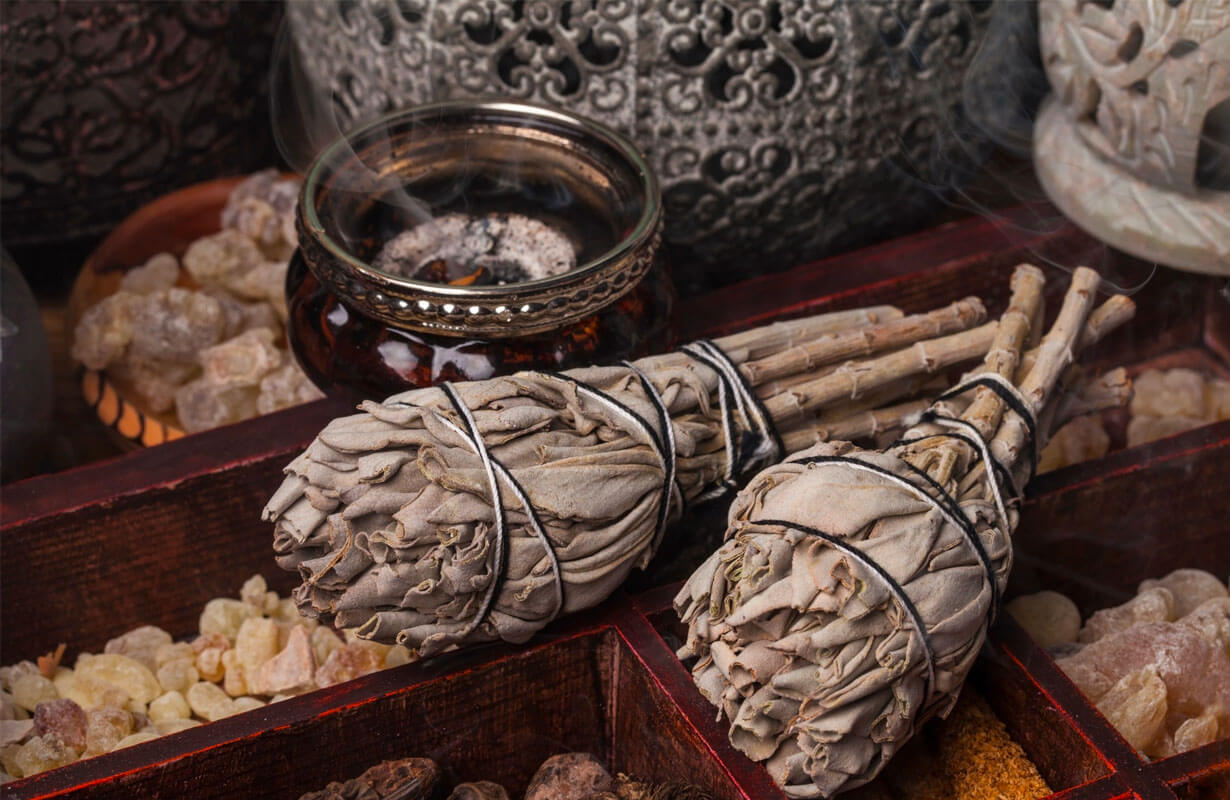
Okay, so picture this: me, completely zen (or at least trying to be), waving a bundle of dried herbs around my apartment like a madwoman. I’d just bought some "sage" from a little shop, convinced it was going to cleanse all the bad vibes accumulated from… well, life. Except, my cat, Mittens, seemed more interested in eating it than being spiritually cleansed. Turns out, I wasn’t using exactly the right kind. Which got me thinking... what's the deal with all the different kinds of sage anyway?
Specifically, let’s dive into the world of sauge blanche (white sage) and sauge officinale (common sage). Because trust me, they’re not the same. And you definitely don’t want to accidentally season your Sunday roast with the stuff you're supposed to be smudging with! (Although, I admit, the thought is kinda funny.)
Sauge Blanche: The Smudge Superstar
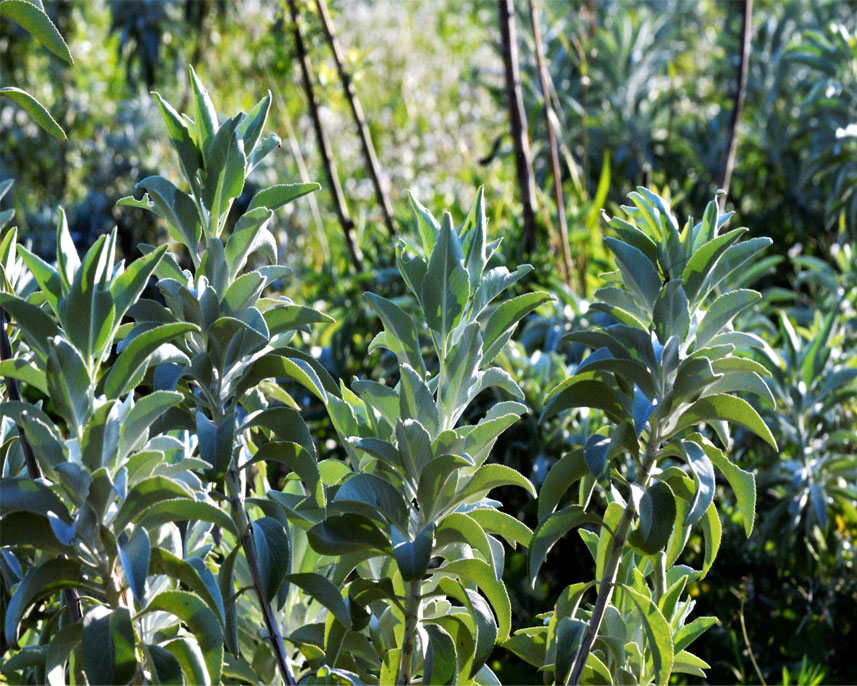
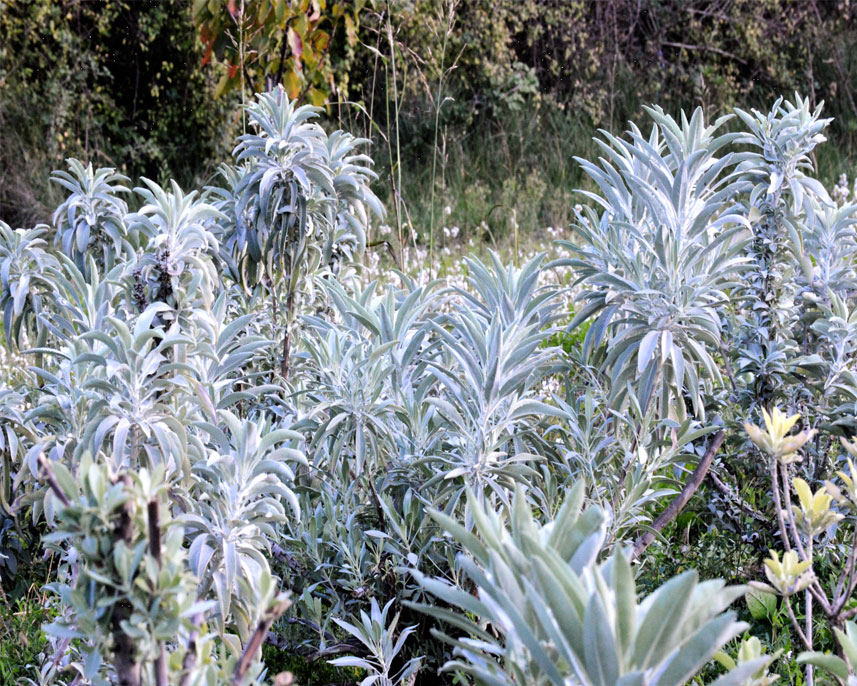
Sauge blanche, or white sage, is the rockstar of the spiritual cleansing world. It’s native to California and Baja California, and has been used for centuries by Native American cultures for rituals and purification. Think ceremonies, smudging, and all that good stuff.
Must Read
You’ll recognise it by: its silvery-grey leaves and its strong, pungent, almost medicinal scent. It’s much more intense than your average herb.
What it’s good for: Clearing negative energy, purifying spaces, promoting spiritual well-being. Basically, anything that involves chasing away the bad juju. Side note: It’s also getting harder to sustainably source, so be mindful of where you’re buying it from!

Sauge Officinale: The Kitchen King
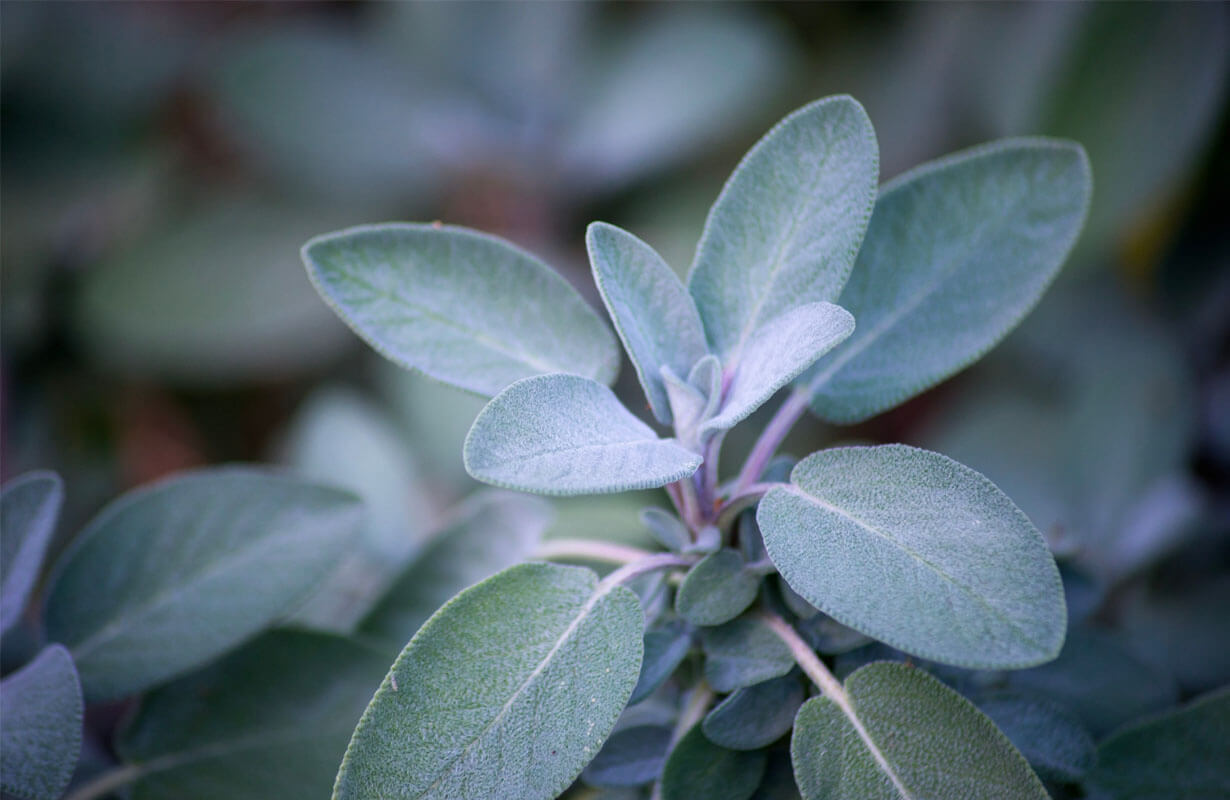
Sauge officinale, on the other hand, is your culinary champion. It’s the kind you find in the spice aisle, ready to add a savoury kick to your dishes. It has a long history of use in traditional medicine, too, but it's mainly known for its flavour.
You’ll recognise it by: Its greener leaves (duh!) and its milder, more earthy and slightly peppery scent. It’s a far cry from the powerful aroma of white sage. Think garden herbs, not mystical smoke.
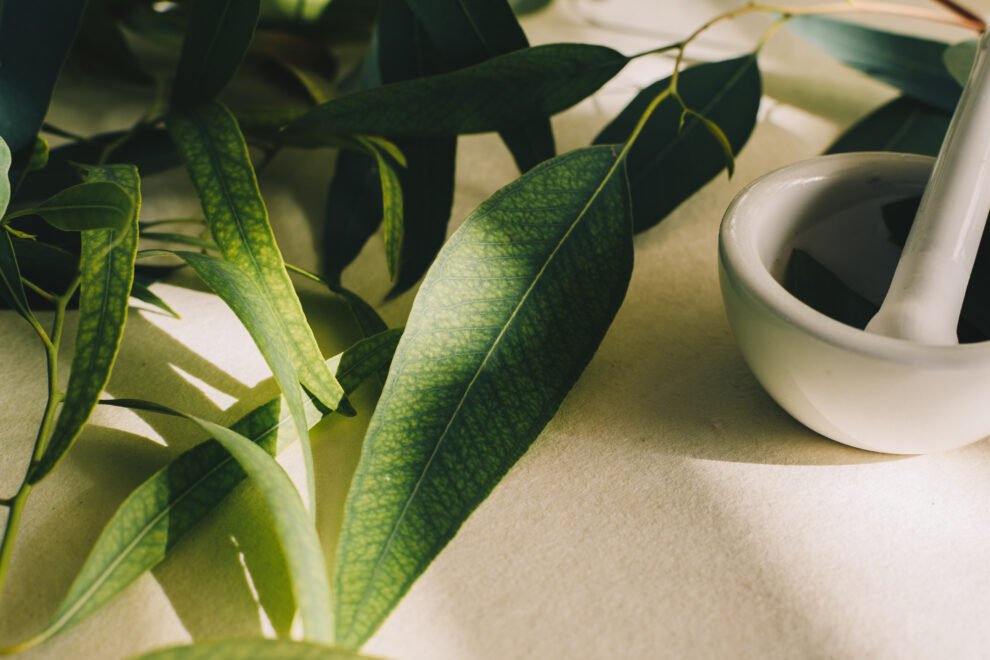
What it’s good for: Flavouring food (obviously!), potentially easing digestive issues, and generally being a lovely, versatile herb to have in your kitchen. Think roasted vegetables, sausage seasoning... yum!
The Key Differences: A Quick Cheat Sheet
Okay, so let's break it down in simple terms:
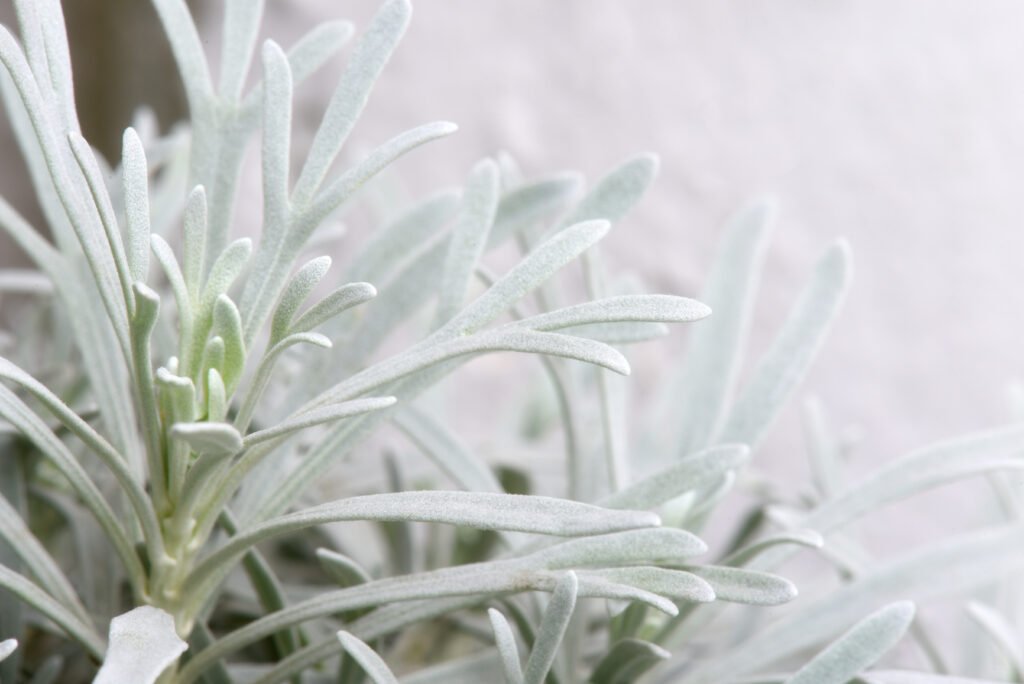
- Appearance: Sauge blanche = silvery-grey leaves. Sauge officinale = greener leaves.
- Scent: Sauge blanche = strong, pungent, medicinal. Sauge officinale = milder, earthy, peppery.
- Use: Sauge blanche = spiritual cleansing, smudging. Sauge officinale = cooking, traditional medicine.
- Vibes: Sauge blanche = mystical. Sauge officinale = practical.
Basically, if you wouldn't sprinkle it on your pasta, it's probably sauge blanche. And if you wouldn't wave it around your house trying to banish bad spirits, it's probably sauge officinale. See? Easy peasy!
So, next time you're buying sage, take a closer look and a good sniff. You'll thank me later – especially if you're trying to avoid a cat-sage-eating incident like I did. And remember, whether you're clearing your aura or seasoning your supper, a little knowledge goes a long way!
Happy saging (or seasoning!) everyone!