Cuisson Du Homard Au Court Bouillon
Ok, confession time. I once tried to impress a date by cooking lobster. Big mistake. I thought, “Hey, I’m relatively competent in the kitchen, how hard can it be?” I’d seen it done on TV! Let’s just say the resulting rubbery, strangely gray, vaguely fishy... thing wasn't exactly the aphrodisiac I was going for. Turns out, cooking lobster is a delicate art. And the key, my friends, often lies in the court bouillon.
So, what is this mysterious "court bouillon" anyway? Sounds fancy, right? Don't be intimidated! It's essentially a flavorful broth used for poaching. Think of it as a lobster hot tub – but one that actually enhances the flavor instead of turning it into seafood-flavored shoe leather. (Unlike my first attempt... shudder).
Why Use a Court Bouillon for Lobster?
Good question! I'm glad you asked (even though I can't actually hear you). The primary reason is to infuse the lobster with flavor. Plain boiling water? That's just… sad. A well-made court bouillon adds depth and complexity. Plus, it helps to cook the lobster evenly and prevents it from drying out. Nobody wants dry lobster.
Must Read
Another plus: it helps season the lobster properly. Let's be honest, under-seasoned lobster is a crime against culinary goodness.
The Basic Court Bouillon Recipe: Not as Scary as it Sounds
Alright, let's break it down. Don't worry, you don't need to be Julia Child to pull this off. The basics are pretty simple:
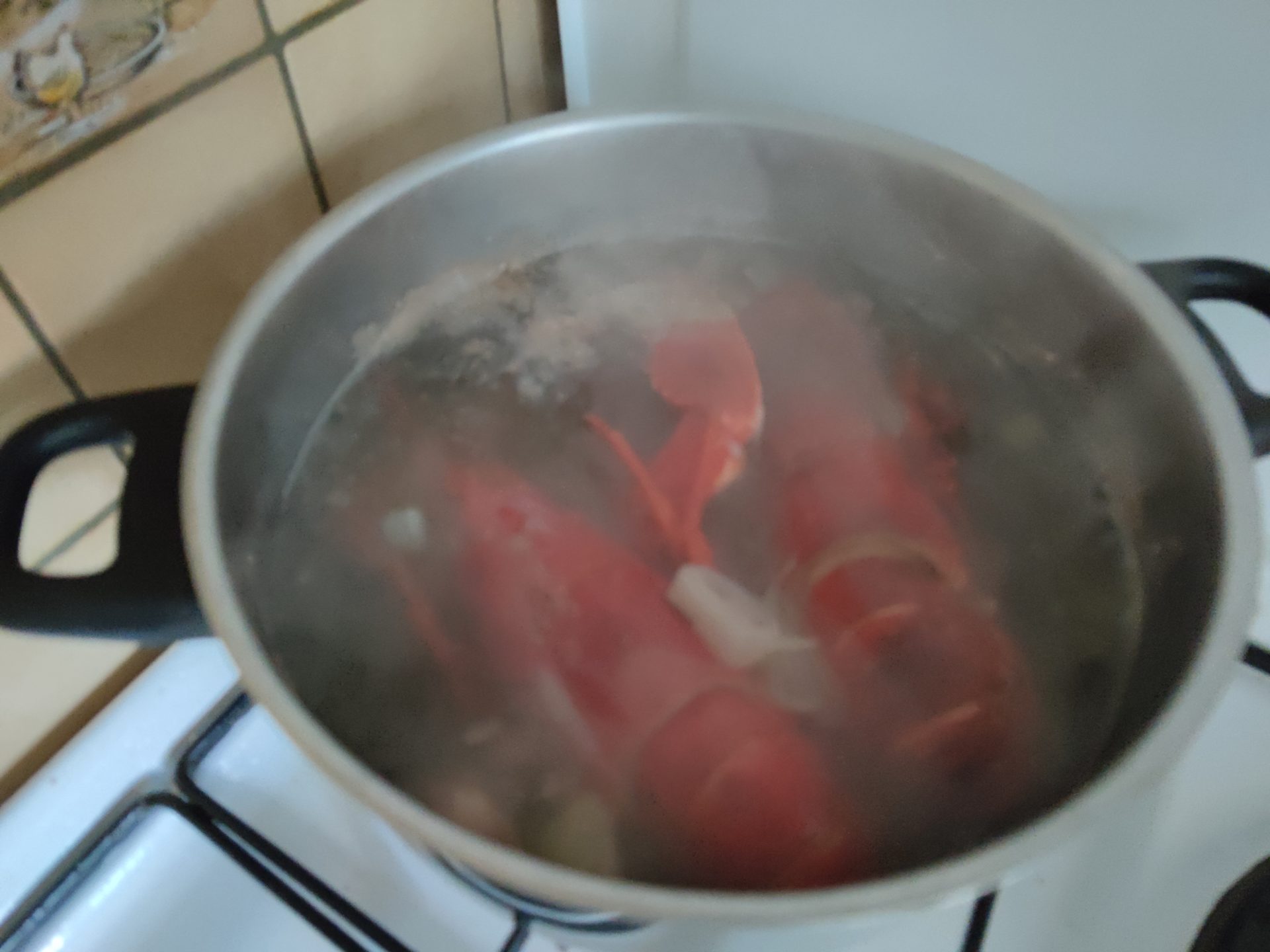
- Water: The foundation, obviously.
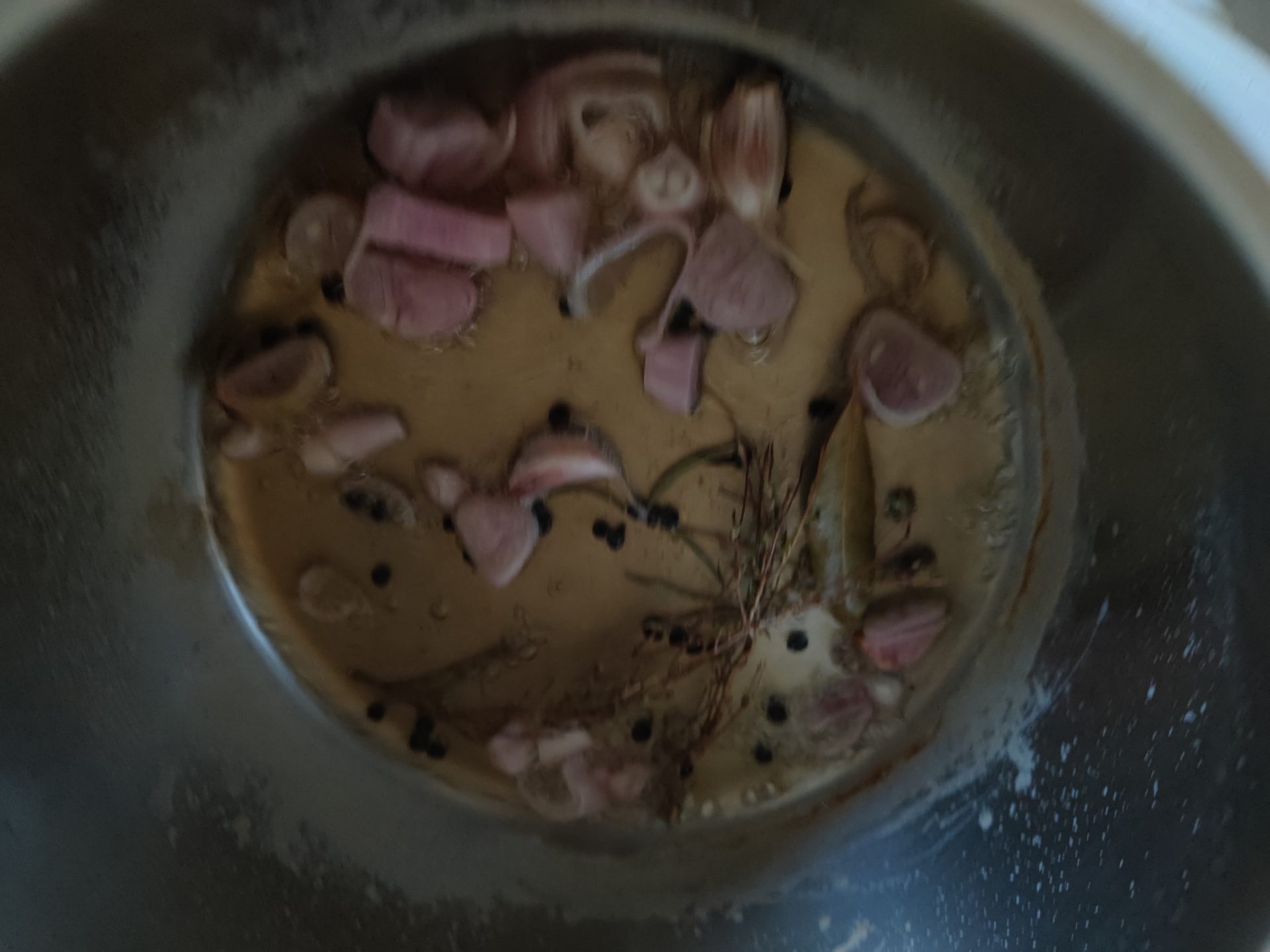
- Aromatics: Onion, celery, carrots – the classic mirepoix. Feel free to get creative! Some people add fennel or leeks.
- Acidity: White wine vinegar or lemon juice. This helps to tenderize the lobster and brighten the flavors.
- Herbs and Spices: Bay leaf, peppercorns, parsley stems. You can also add thyme, dill, or even a pinch of red pepper flakes for a little kick.
- Salt: Crucial for seasoning! Don't be shy, but start conservatively and adjust to taste. Remember, you can always add more, but you can't take it away!
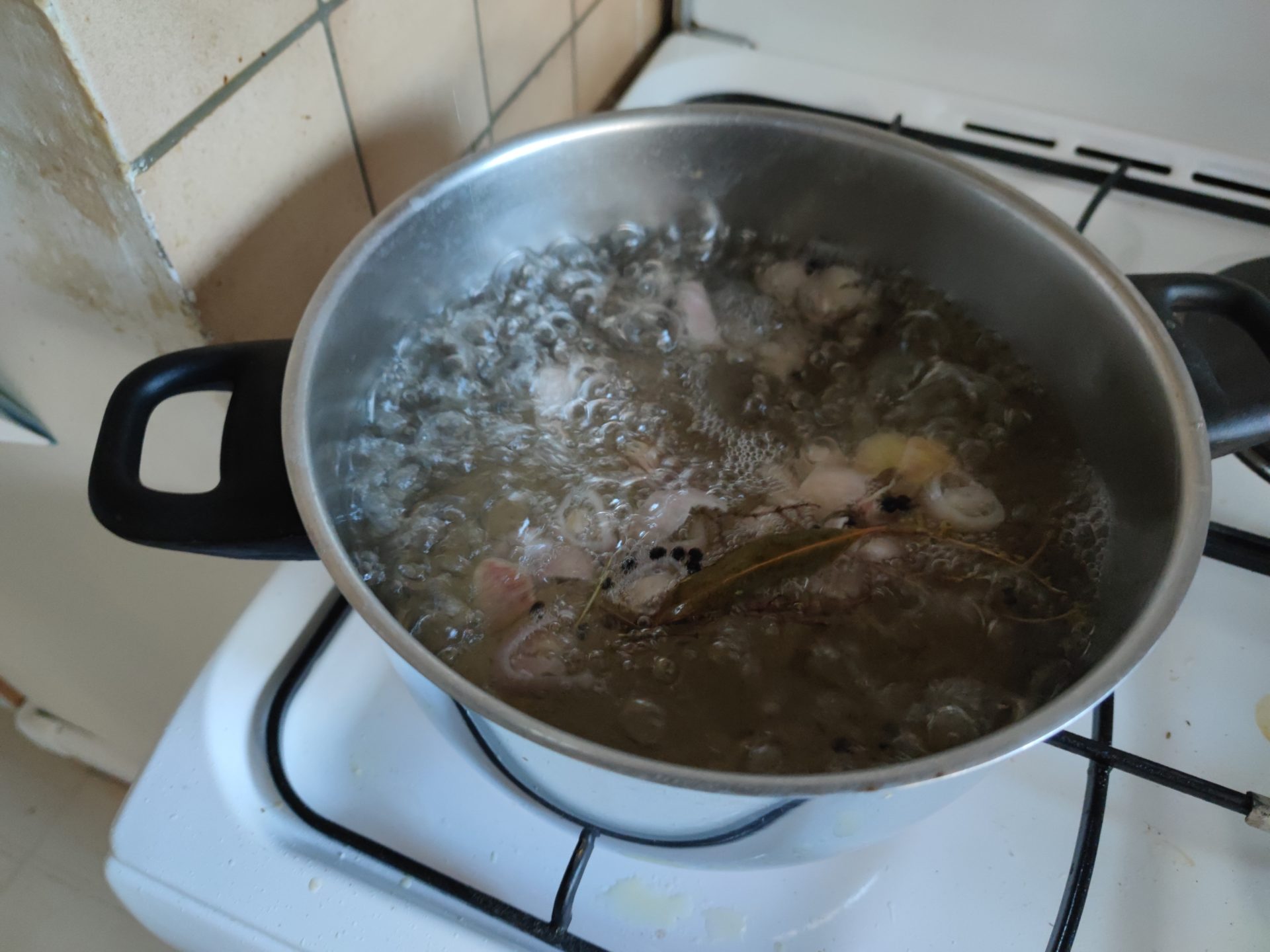
Simmer all these ingredients together for about 30-45 minutes. This allows the flavors to meld and create a delicious base for cooking your lobster. Strain it before adding the lobster – nobody wants to chew on peppercorns while enjoying their shellfish.
Lobster Time! (Finally)
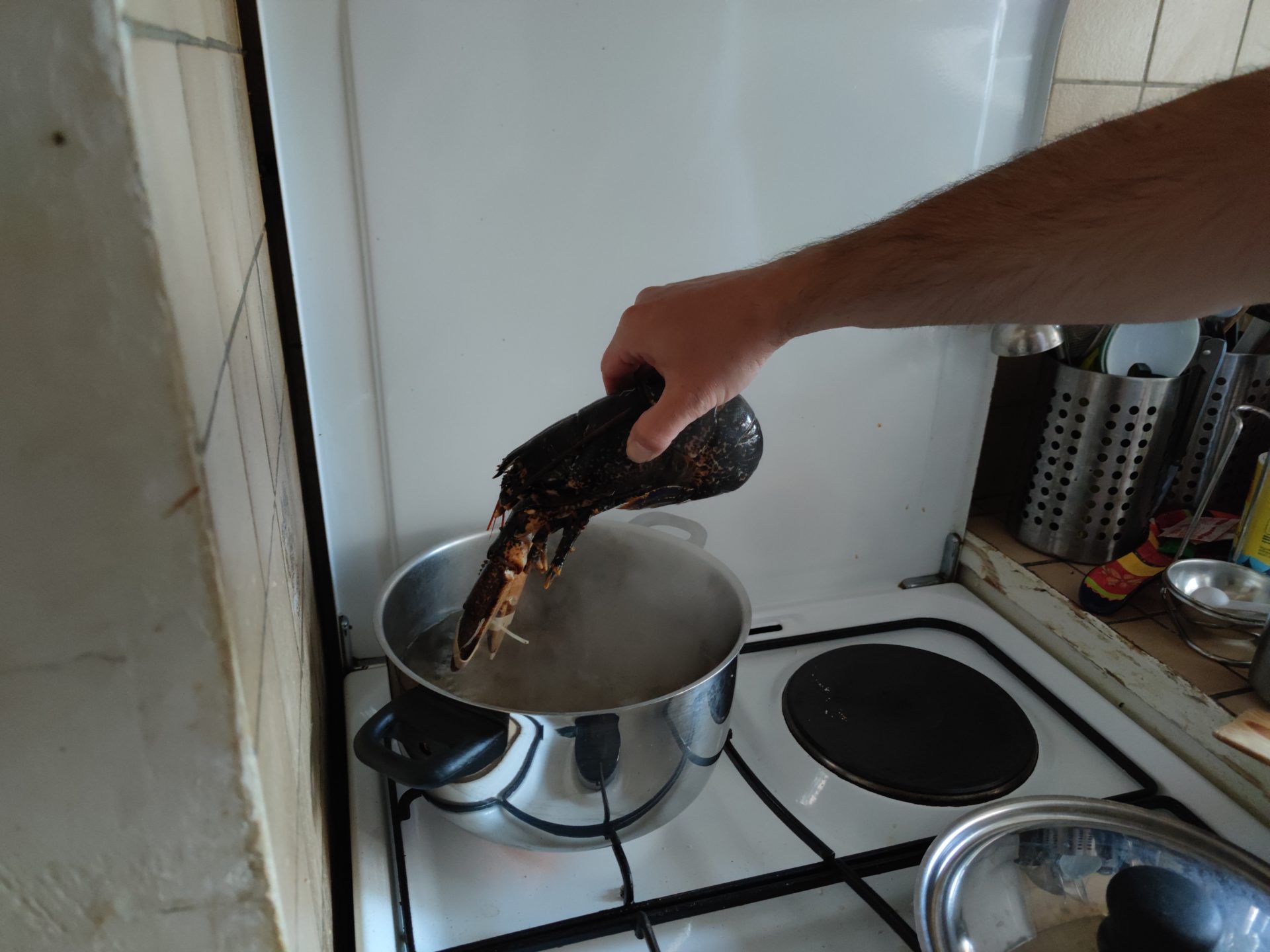
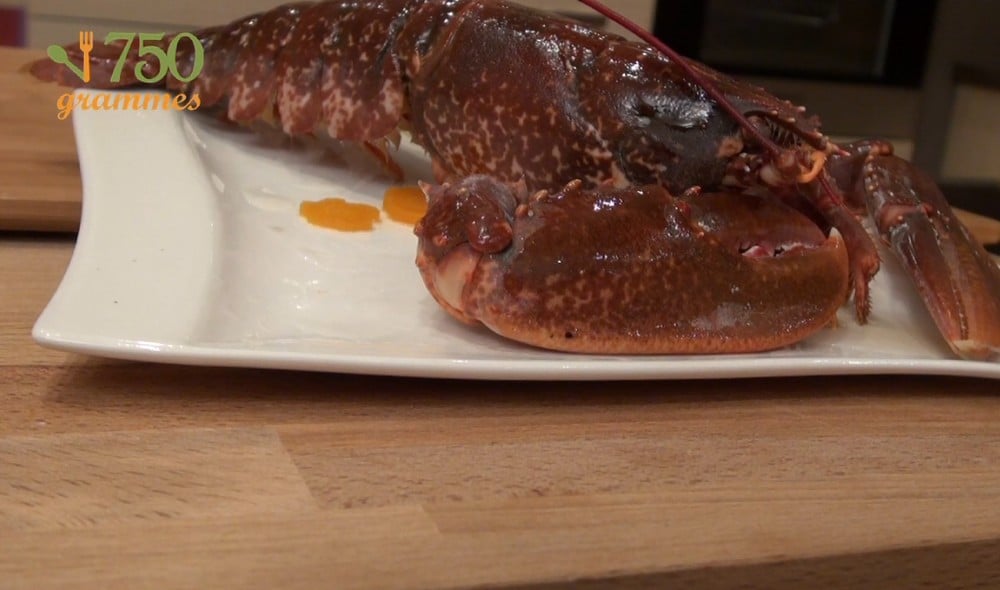
Now for the main event. Bring the court bouillon to a rolling boil. Gently place the lobster into the simmering liquid. Make sure it's fully submerged. If not, you might need to add a little more water (or a smaller lobster next time!).
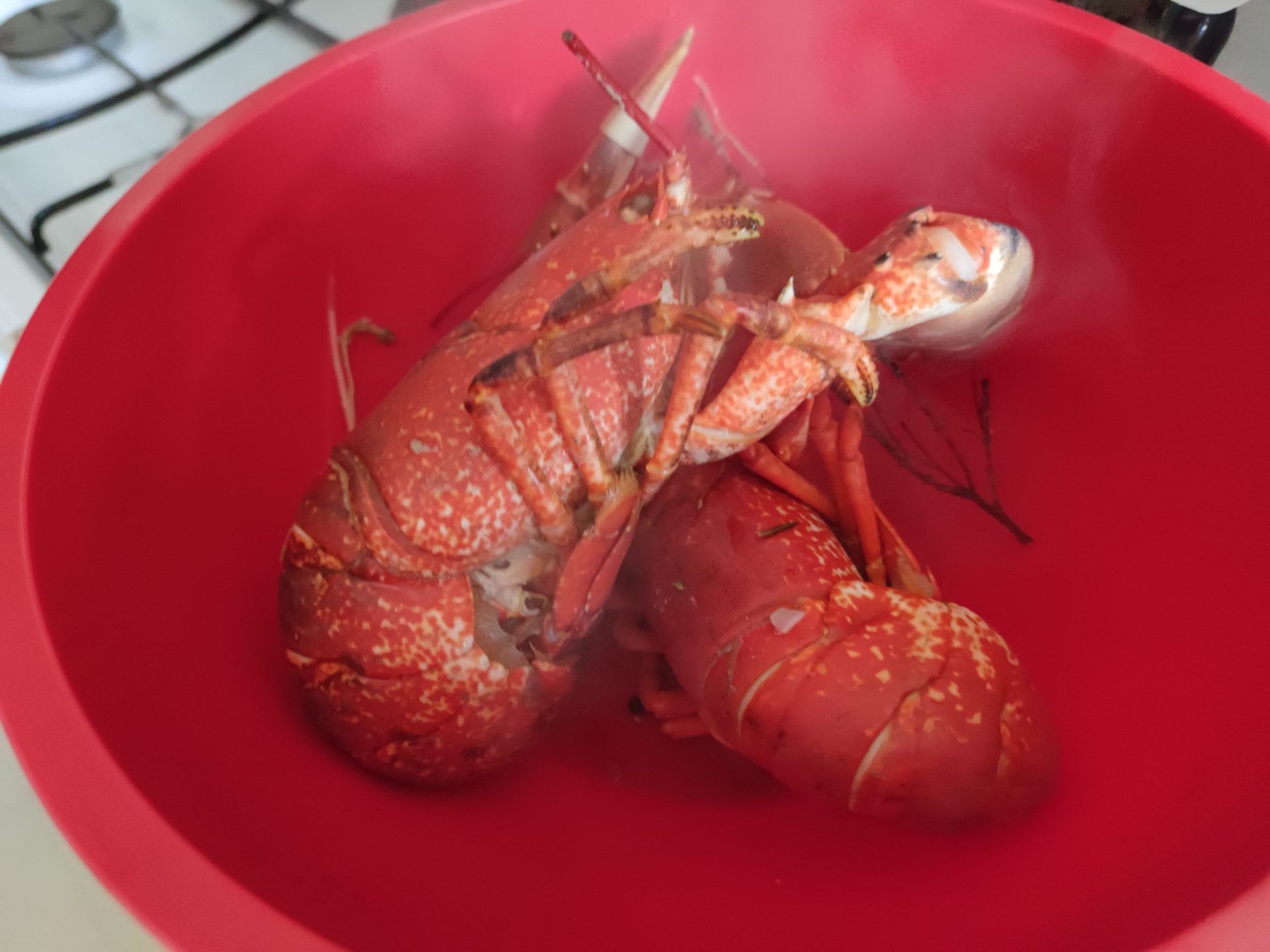
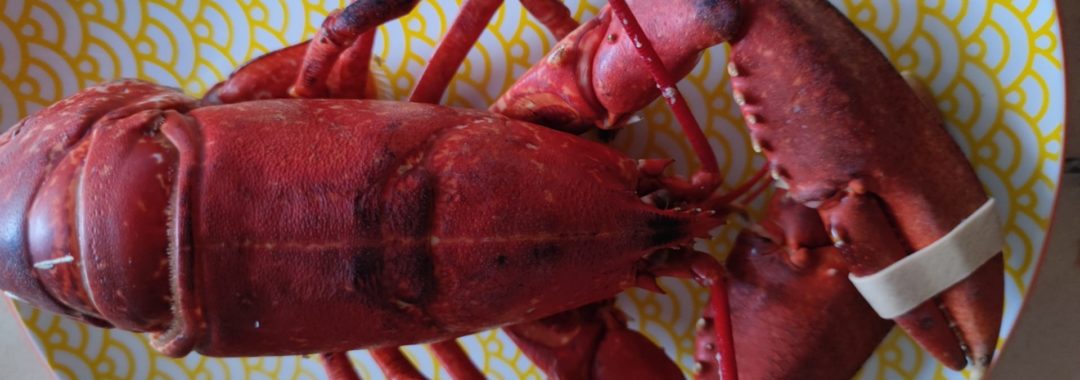
The cooking time will depend on the size of the lobster. A good rule of thumb is about 10-12 minutes per pound. Look for the shell to turn a bright red and the meat to be firm to the touch. Don’t overcook it! Overcooked lobster is tough and rubbery (remember my date?).
Once cooked, remove the lobster from the court bouillon and let it cool slightly before handling. Cracking it open is another adventure in itself (YouTube is your friend!).
Beyond the Basics: Experiment!
The beauty of court bouillon is that it's incredibly versatile. Feel free to experiment with different ingredients to create your own signature flavor. Try adding a splash of sherry, a sprig of rosemary, or even a few slices of ginger. The possibilities are endless! Just don't add peanut butter. Trust me on this one.
So there you have it! Cooking lobster in court bouillon might seem intimidating at first, but it's actually quite simple. With a little practice (and maybe a few failed attempts), you'll be whipping up restaurant-quality lobster in no time. And who knows, maybe you'll even impress a date. (Just maybe don’t make it your first lobster cooking experience!)